Social-Emotional Learning
What it is, how to implement it in the classroom, and why evidence shows it improves academic performance alongside well-being.
What is it?
Social-Emotional Learning (SEL) is the explicit and systematic teaching of skills such as self-awareness, self-management, empathy, responsible decision-making, and interpersonal relationships. It is not about 'talking about emotions' occasionally: it is a curriculum with objectives, activities, and assessment — just like math or language arts.
The most widely used framework is CASEL's (Collaborative for Academic, Social, and Emotional Learning), which organizes competencies into five areas: self-awareness (recognizing one's own emotions), self-management (regulating emotions and behaviors), social awareness (empathy and others' perspectives), relationship skills (communication, cooperation), and responsible decision-making (evaluating consequences).
What the evidence shows clearly is that SEL does not compete with academics: it enhances them. A meta-analysis by Durlak et al. (2011) with more than 270,000 students found that SEL programs improve academic performance by 11% while also reducing behavioral problems. Students who regulate their emotions can concentrate better, collaborate better, and persist through frustration.
Emotions are not the noise that interferes with learning. They are the channel through which learning happens.
— Mary Helen Immordino-YangWhat does it look like in class?
At the start of each day, students do an 'emotional check-in': they choose an emotion from a visual board and briefly share how they feel. Explaining why is not required, but the simple act of naming the emotion already activates regulation.
In a 4th grade class, the teacher explicitly teaches the 'STOP' strategy: Stop, Take a breath, Observe what you feel, Proceed. They practice with simulated situations before using it in real conflicts.
Every Friday there are 20 minutes of 'class circle': sitting in a round, students discuss a social dilemma using the dilemma cards. There is no correct answer — the goal is to practice listening to different perspectives and arguing with respect.
In a science project, the teacher assigns socioemotional roles in addition to academic roles: besides researcher and presenter, there is a 'climate guardian' who observes whether everyone participates and a 'mediator' who intervenes if there is tension in the group.
Signs it works
- Students name their emotions with specific vocabulary — they say 'I am frustrated' instead of 'I am angry'
- They use regulation strategies autonomously before the teacher intervenes
- Conflicts between peers resolve faster and with less adult intervention
- Students show spontaneous empathy: they ask a classmate how they are when they look upset
- Participation improves for students who previously held back — they feel safe taking risks
Common mistakes
Reducing SEL to an isolated activity ('the 5 minutes of emotions') without integrating it throughout the day
Teaching emotions but not modeling them — if the teacher yells when frustrated, the curriculum loses credibility
Forcing students to share emotions when they do not want to — emotional safety includes the right to pass
Thinking SEL is only for 'problem' students — all students (and adults) benefit
Key thinkers
Psychologist and author of Emotional Intelligence. Popularized the idea that emotional skills are as important as cognitive ones for success in life.
Co-founder of CASEL and leading driver of SEL research in schools. Leads the framework of the five SEL competencies.
Educator and co-founder of the Resolving Conflict Creatively Program. Pioneer in bringing SEL to New York public schools.
Argentine psychologist who drove the Emotional Education Law in the province of Corrientes — the first legislation of its kind in Latin America. Author of Cómo ayudar a los niños de hoy.
Dive deeper
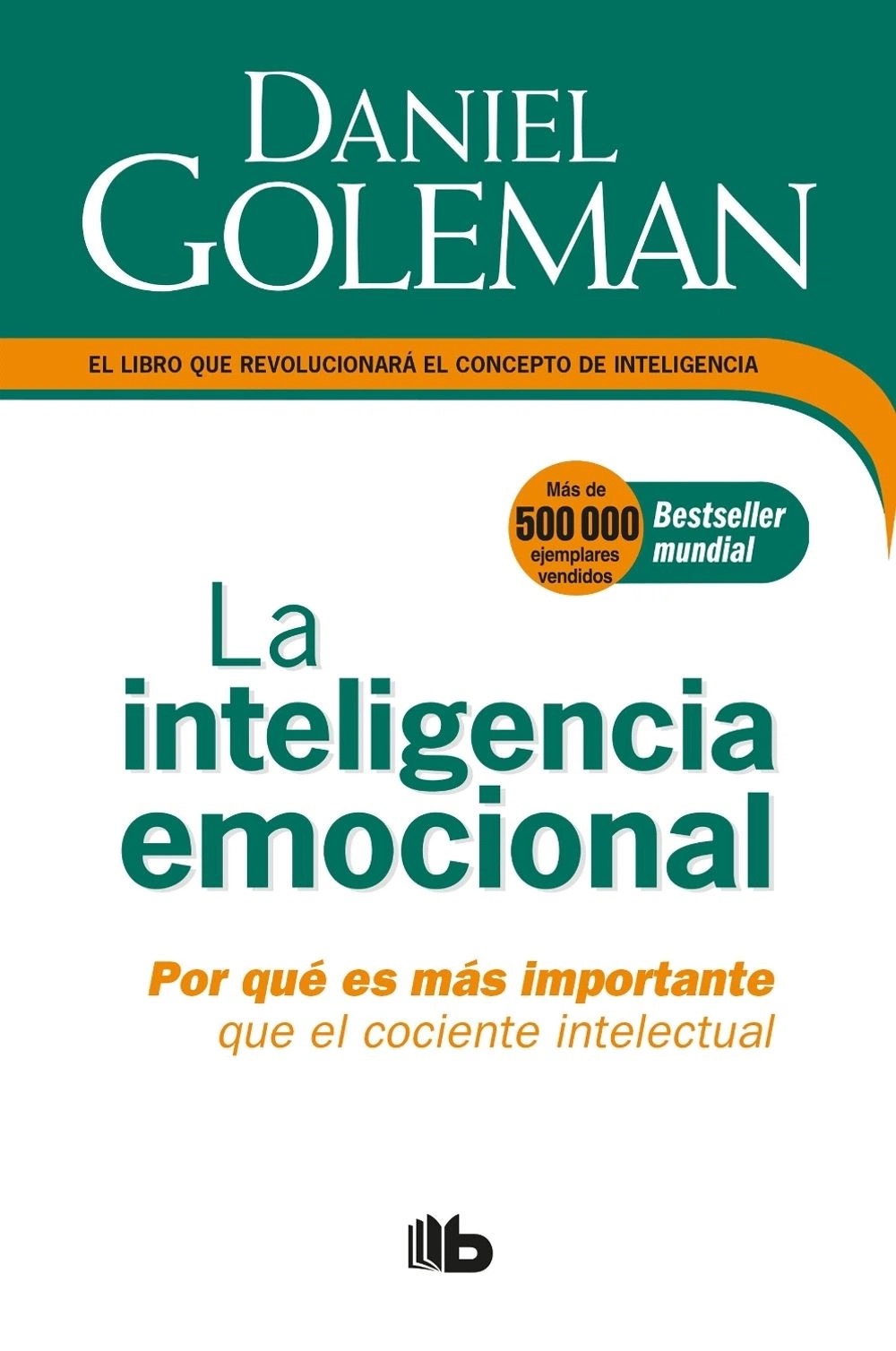 BookEmotional Intelligence — Daniel Goleman
The book that put emotional skills on the map. Goleman argues that emotional intelligence matters more than IQ for success in life.
ES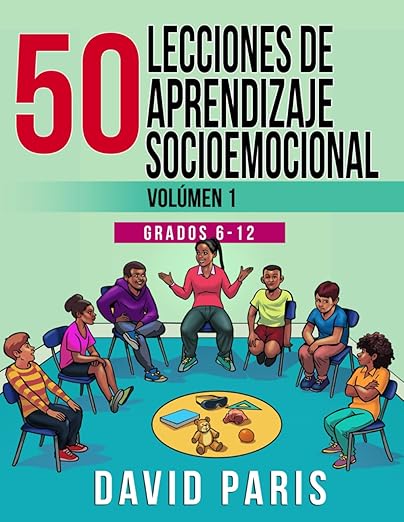 Book50 Social-Emotional Learning Lessons — David Paris
50 practical, classroom-ready lessons. Each lesson includes objectives, activities, and reflections to develop socioemotional competencies.
 WebsiteSocial-Emotional Learning (SEL) — DEXPA
Guide in Spanish on what SEL is, its key competencies, and how to integrate it into learning experience design.
ESWebsiteSocial-Emotional Learning — Educación 2020 (Chile)Resources and guides in Spanish on SEL implementation in Latin American contexts.
ESBookEmotional Education and Well-Being — Rafael BisquerraBisquerra is the leading reference for emotional education in Spanish. This book offers a theoretical and practical framework for integrating emotional competencies into the curriculum.
ESWebsiteValoras UC Program (Chile)Program from the Catholic University of Chile with free tools for socioemotional development and school coexistence. Cards, activities, and teacher guides.
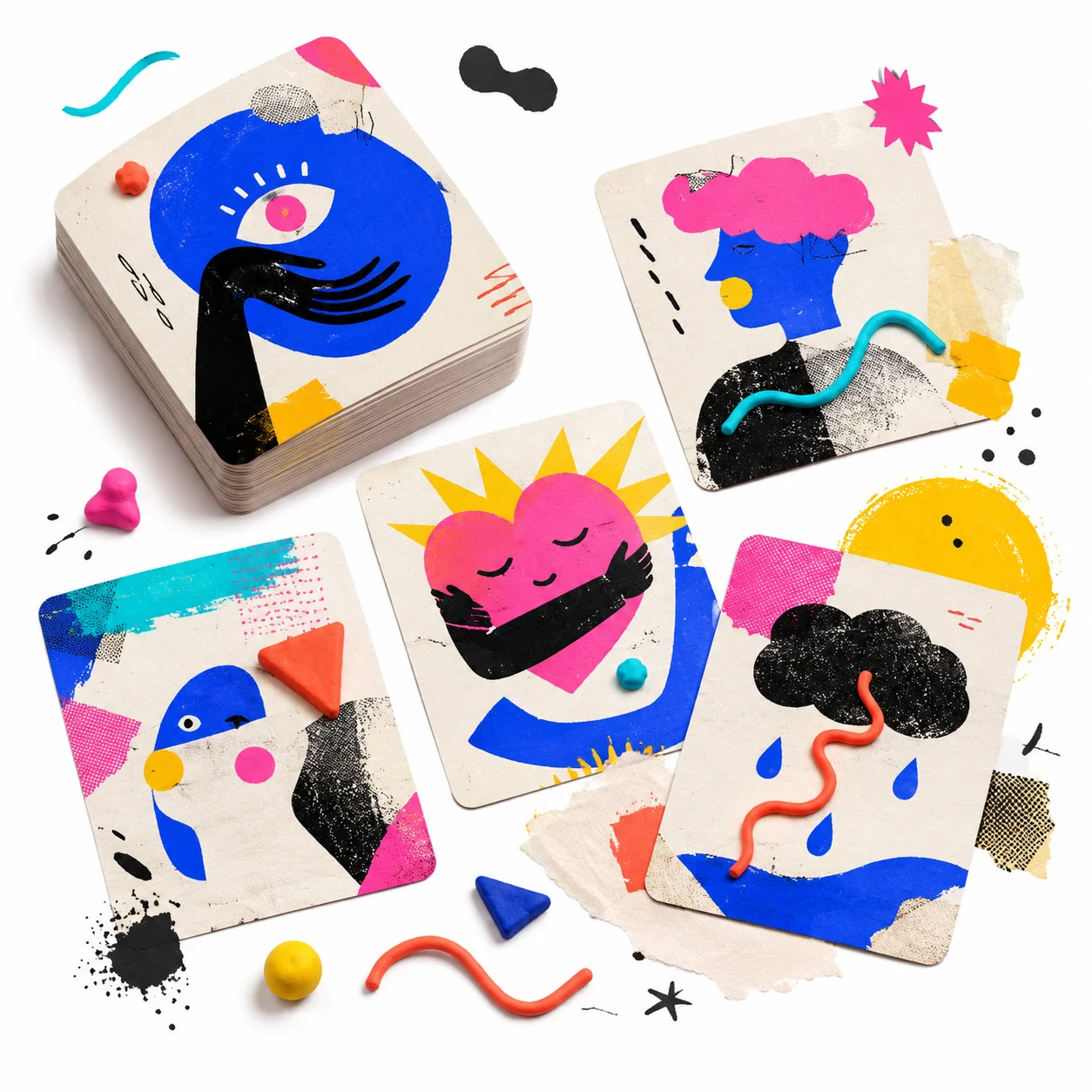 ToolEmotions Deck
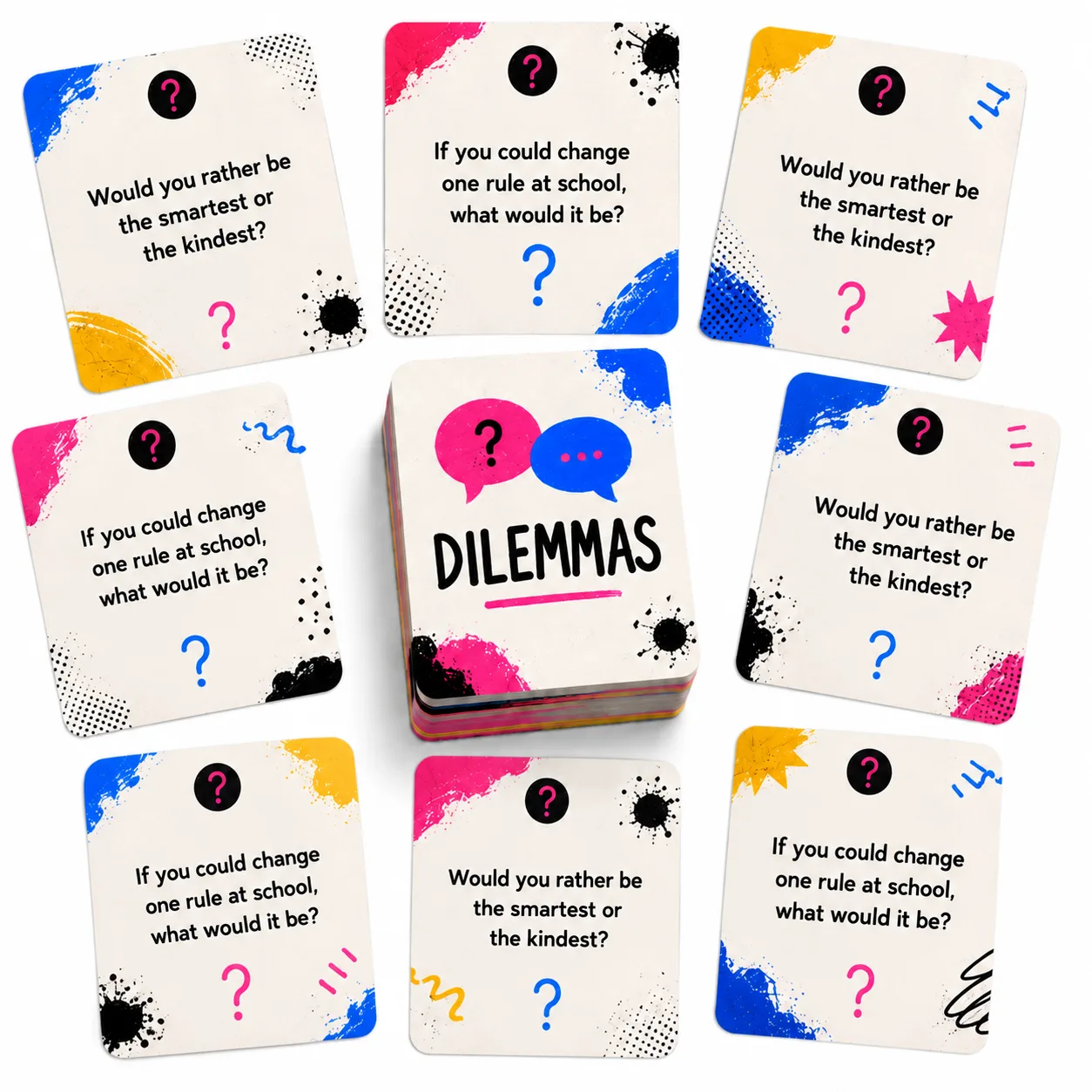 ToolDilemma Cards
 ToolComprehension Stoplight
 ToolOpinion Thermometer