Project-Based Learning
Students investigate and respond to a complex question by creating a real product or solution.
What is it?
Project-Based Learning (PBL) organizes learning around a real, meaningful project. Students don't learn content and then apply it: they learn while investigating, designing, and creating a concrete product that responds to a genuine question or need.
A good project has a driving question that guides all the work: How might we reduce food waste at our school? What improvement proposal would we make for our neighborhood? The question connects the curriculum with the real world.
The process includes research, planning, creating a product, and public presentation. Students work in teams, manage their time, make decisions, and receive feedback throughout the process — not just at the end.
The best learning happens when students work on something that matters to them, for someone who matters to them.
— Juan Jose VergaraWhat does it look like in class?
The teacher presents a driving question: How might we make the school yard more sustainable? Teams research, interview, design proposals, and present models to the principal and families.
In a history project, students create a 3-episode podcast on a historical period. They research primary sources, write scripts, record, and edit. The final product is published on the school website.
Each week there is a checkpoint where teams present progress, receive peer feedback, and adjust their plan. The teacher facilitates but doesn't direct — students make the decisions.
At the project's close, students present to a real audience: families, experts, or the community. Public presentation raises the quality of work because it has a genuine recipient.
Signs it works
- Students ask questions that go beyond school content — they connect with the real world
- Teams self-organize and resolve conflicts without constantly depending on the teacher
- The final product has sufficient quality to be shared outside the classroom
- Students can explain what they learned and how they learned it
- Content from multiple subject areas naturally integrates
Common mistakes
Calling a task a 'project' when it is just disguised homework — without a real driving question or student autonomy
Not providing enough structure: PBL is not 'do whatever you want' but autonomy with scaffolding
Evaluating only the final product without valuing the research and collaboration process
Projects that don't connect with the curriculum — curricular integration must be intentional
Key thinkers
Spanish educator and author of Aprendo porque quiero. Reference for PBL in Spanish with a practical and realistic approach.
Co-author of Setting the Standard for Project Based Learning. Specialist in PBL with the Buck Institute for Education.
Professor at the University of Granada. Expert in PBL, competencies, and language education in Spanish.
Dive deeper
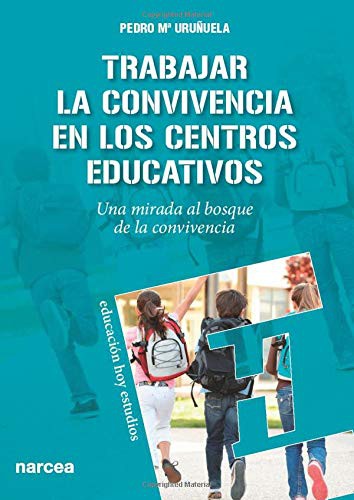 BookAprendo porque quiero — Juan Jose Vergara
The reference book for PBL in Spanish. Full of real examples and a step-by-step guide to designing projects.
ESWebsiteProject-Based Learning — EdutekaColombian portal with PBL articles, templates, and examples in Spanish. Excellent starting point.
WebsitePBLWorks — Buck InstituteThe world's leading PBL organization. Resources, videos, and the Gold Standard of PBL.
ESVideoPBL in the Classroom — Fernando TrujilloConference by Fernando Trujillo on how to realistically implement PBL in the classroom.
 ToolKanban Board
 ToolCollaborative Ideas Wall
 ToolVisual Timer
 ToolPriority Voting