Digital Citizenship
Use technology in an ethical, safe, critical, and responsible way.
Technology is neither good nor bad; nor is it neutral.
— Melvin KranzbergMastery progression
Uses technology functionally but shares, accepts, or posts without reviewing risks, sources, or consequences.
Recognizes basic risks around privacy, online interaction, and misinformation. Needs guidance to verify and decide.
Verifies information, protects their digital identity, respects others, and understands that every interaction leaves a trace.
Analyzes platforms, algorithms, biases, data, and digital rights; helps build safe online communities.
- Identify personal data that should not be made public
- Recognize aggressive, misleading, or manipulative messages
- Distinguish a known source from a dubious one
- Verify a news item, image, or video before sharing it
- Set basic privacy settings on an account or device
- Analyze how algorithms influence what we see
- Respond to cyberbullying without amplifying the harm
- Evaluate complex dilemmas about data, AI, privacy, and freedom of expression
- Design digital agreements for a school community
- Audit biases, commercial interests, and risks in a platform
Questions that activate it
Tap a card to see the coaching guide
Who created this content and with what intention?
Tap to flipHelps read source, purpose, interests, and possible biases.
Tap to returnWhat personal data are you handing over in exchange?
Tap to flipMakes visible the data economy behind apparently free services.
Tap to returnDoes sharing this inform, help, or harm?
Tap to flipConnects digital participation with social impact.
Tap to returnHow could you verify it through another source?
Tap to flipInstalls lateral verification: open new sources, search for context, trace the origin.
Tap to returnWhat would you do if this happened to a classmate?
Tap to flipTransforms digital coexistence into concrete action: save evidence, ask for help, don't forward.
Tap to returnExpert fact-checkers tend to leave the original page and verify laterally; novice readers tend to stay within the same site.
Stanford History Education Group — Civic Online ReasoningIdeas for developing it
- Choose a viral piece of content and trace its original source, date, authorship, and context
- Compare how three sites present the same event
- Classify data as public, private, and sensitive
- Create a safe-configuration checklist for school accounts
- Analyze cyberbullying cases and decide on caring steps
- Write classroom agreements for chats, forums, and comments
- Compare recommendations from two different accounts and debate why they differ
- Evaluate an AI response by looking for errors, biases, and missing sources
Resources and tools
 WebsiteInterland — Be Internet Awesome
Materials for safety, privacy, respect, and digital citizenship in the classroom.
Silent DebateESWebsiteMenores — INCIBECurrent resources for families and schools on cybersecurity and digital coexistence.
ES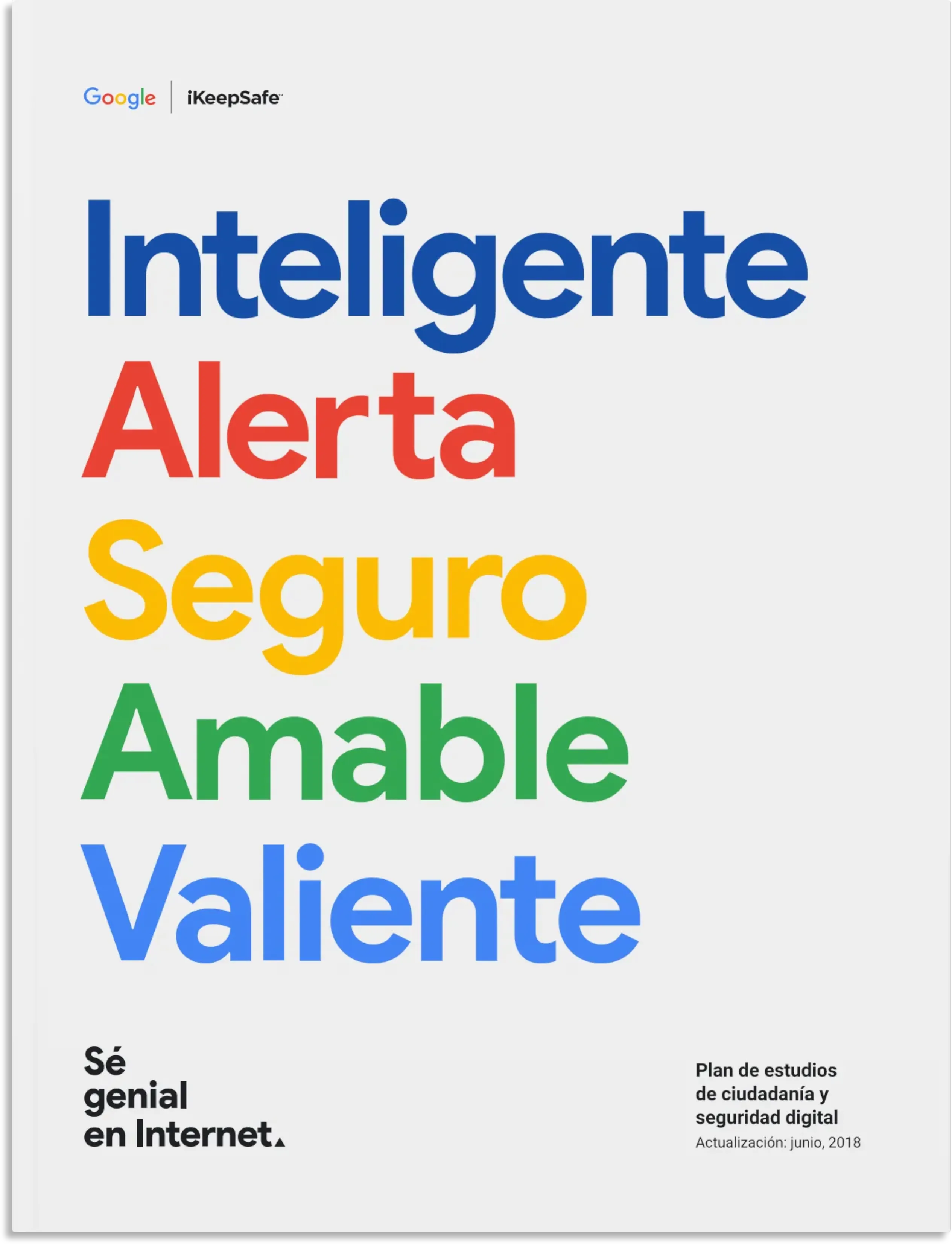 PDFGoogle Digital Safety and Citizenship Curriculum
Google's official curricular guide with activities and units for working on digital safety and citizenship.
Dilemma CardsESCourseTeaching in the Age of Artificial Intelligence. Digital Citizenship from School.Free UNESCO online course on digital citizenship and artificial intelligence for teachers.
ES PDFApproach to Digital Competencies of Teachers in Latin America
Regional analysis of teacher digital competencies in Latin America. Key reference for training and evaluating teachers in the digital age.
Agreement ScaleES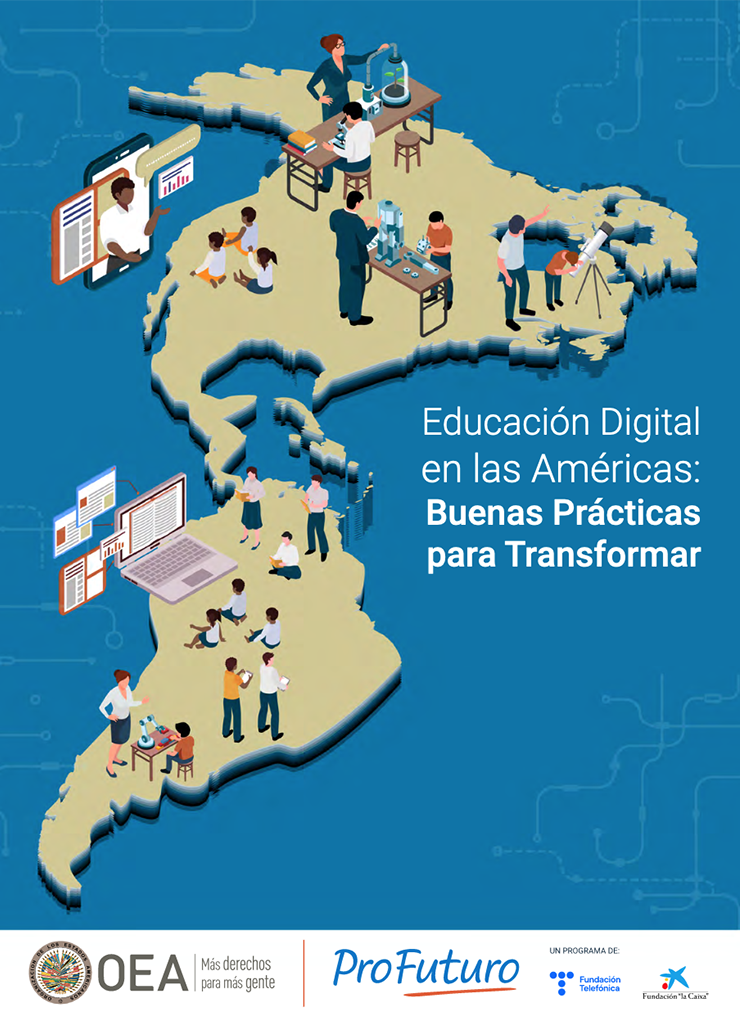 PDFDigital Education in the Americas: Good Practices for Transformation
Map of good practices in digital education in the Americas to inspire pedagogical transformations with technology.
Live Word CloudES PDFCompetency Framework: Learning and Teaching in the Digital Age
ProFuturo reference framework on the digital competencies needed to learn and teach in the digital age. Useful for diagnostic and instructional design.