Authentic Assessment
Demonstrating learning through real tasks that matter outside the classroom.
What is it?
Authentic assessment proposes that students demonstrate their learning through complex, meaningful tasks that resemble those they will encounter outside the school — not through standardized tests that only measure decontextualized recall. The adjective 'authentic' refers to the realness of the task: it has a purpose beyond the grade, an audience beyond the teacher, and requires applying knowledge in context.
Grant Wiggins, one of the approach's creators, defined authentic assessment as tasks with four characteristics: they are realistic (similar to how professionals in the field use knowledge), they require judgment and innovation (not mechanical reproduction), they ask students to perform — not just know — and they require an ongoing cycle of feedback and revision.
Authentic assessment does not replace grades: it transforms what is graded. Instead of asking 'do you know this definition?', it asks 'can you use this knowledge to solve a real problem?' This requires clear rubrics (students know in advance what excellent performance looks like), not arbitrary criteria decided after the fact.
Authentic assessment asks students to demonstrate what they know by doing something with that knowledge in a real context.
— Grant WigginsWhat does it look like in class?
Instead of a history essay about the independence of their country, students design an exhibit for the school museum on 'myths and realities about the independence process' to be presented to other classes. The audience is real, the purpose is real — the evaluation is authentic.
In a chemistry class, instead of a traditional lab report, students write a formal report as if they were scientists submitting to a review committee, following real scientific paper format. The teacher provides a rubric aligned with actual scientific writing criteria.
In a math class, students solve a real problem from the local municipality: how much do they need to invest in renovating the school yard? They measure, calculate, research material prices, and present a justified budget proposal to the principal.
In a language arts class, students do not write a story to be read only by the teacher: they publish it on a class blog, present it at a school event, or submit it to a young writers' competition. The real audience changes the quality of preparation.
Signs it works
- Students put real effort into work because they know it will be seen by more than the teacher
- Projects are shared beyond the classroom — at a school fair, with families, on a website, with a real organization
- The rubric is given before work begins — students know exactly what excellent performance looks like
- Revision and improvement are part of the process, not a sign of initial failure
- Students can explain why what they learned matters beyond the subject
Common mistakes
Calling any project 'authentic' without verifying whether it has a real purpose and audience
Scoring authentic tasks with vague criteria decided after the fact — without a rubric, assessment is arbitrary
Eliminating traditional assessment entirely — some knowledge does need to be measured directly
Designing tasks so complex that they measure the complexity of the task, not the learning
Key thinkers
Education researcher and co-creator of Understanding by Design (with Jay McTighe). His work defined authentic assessment as tasks with real purpose, genuine audience, and iterative feedback cycles.
Education consultant and co-author of Understanding by Design. Together with Wiggins, developed backward design: start from what students should be able to do, then design assessment, then instruction.
Creator of the Authentic Assessment Toolbox, a free online reference with practical guides for designing authentic tasks and rubrics.
Argentine education expert and key reference for authentic assessment in Latin American schools. Has worked with thousands of teachers on assessment design.
Dive deeper
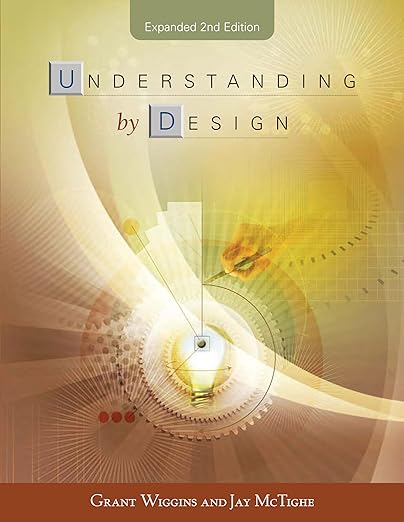 BookUnderstanding by Design — Wiggins & McTighe
The foundational book on backward design and authentic assessment. Essential for any teacher who wants to align their teaching with meaningful goals.
WebsiteAuthentic Assessment Toolbox — Jon MuellerFree online resource with step-by-step guides for designing authentic tasks, rubrics, and standards-aligned assessment. Practical and accessible.
WebsiteAuthentic Assessment — EdutopiaPractical articles and examples of authentic assessment across different subjects and grade levels.
ESWebsiteAuthentic Assessment — Educ.arResources from Argentina's Ministry of Education on authentic assessment in the Argentine context with examples by level and discipline.
 ToolWork Gallery
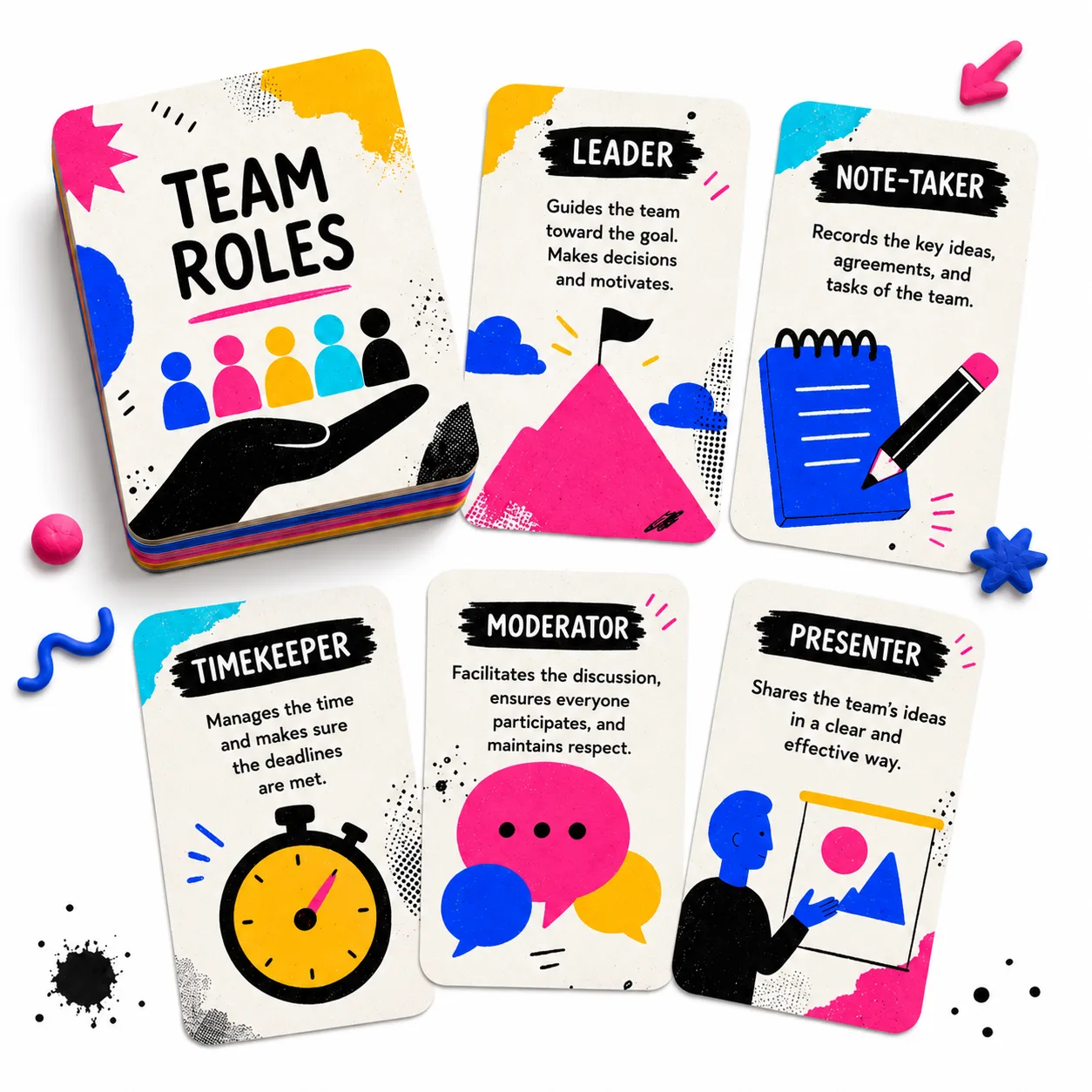 ToolRole Cards
 ToolExit Ticket
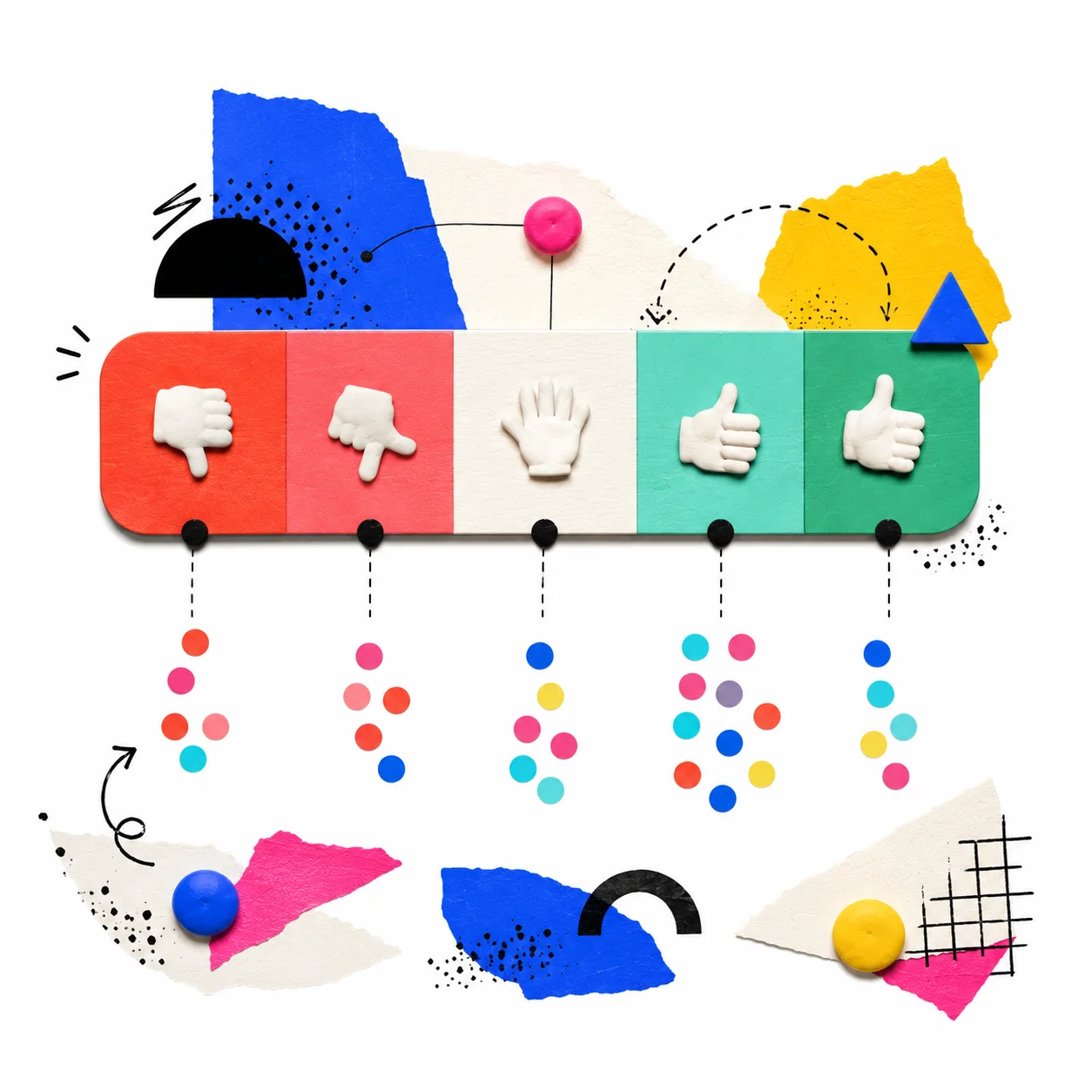 ToolAgreement Scale