Positive Discipline
Classroom management based on simultaneous firmness and kindness, without punishments or rewards.
What is it?
Positive Discipline is a classroom management model based on the ideas of Alfred Adler and Rudolf Dreikurs, systematized by Jane Nelsen. Its central principle is that children behave well when they feel good — and that punishment generates resentment, rebellion, or withdrawal, not learning.
The approach proposes being firm AND kind at the same time. Firm with limits and expectations, kind with the person. It is not permissiveness ('do whatever you want') nor authoritarianism ('because I say so'). It is a third path: the adult maintains structure while respecting the child's dignity.
Key tools include: class meetings (circles where students solve problems together), curiosity questions ('what were you trying to accomplish?'), focus on solutions (instead of looking for blame), and connection before correction (first validate the emotion, then address the behavior).
Where did we get the crazy idea that to make children behave better, we first need to make them feel worse?
— Jane NelsenWhat does it look like in class?
When two students fight at recess, the teacher does not look for blame. They sit with both and ask: 'What happened? How did each of you feel? What can we do to resolve it?' Students propose the solution.
The class has a 'meeting agenda': a notebook where students write down problems or topics they want to discuss. Every Monday, in 20 minutes of class meeting, everyone addresses the agenda items together.
Instead of a sticker or reward system, the teacher uses descriptive acknowledgment: 'I noticed that today you waited your turn to speak even though you were eager to share your idea.' It is not an empty compliment — it is a specific observation that reinforces the behavior.
When a student repeatedly interrupts, the teacher approaches privately and says: 'I see you really want to participate, and I love that. How can we find a way for you to participate without interrupting others?' Together they design a non-verbal signal.
Signs it works
- Students propose solutions to classroom problems instead of waiting for the teacher to decide everything
- The teacher almost never needs to raise their voice — limits are clear and consistent
- Conflicts are seen as learning opportunities, not annoying interruptions
- Students use 'I feel' and 'I need' language to express their needs
- Reward and punishment systems disappear and the classroom climate improves, not worsens
Common mistakes
Confusing positive discipline with permissiveness — being kind does not mean having no limits
Using the tools as loose techniques without changing the mindset — Positive Discipline is a philosophy, not a toolkit
Expecting immediate results — changing classroom dynamics takes weeks, not days
Abandoning the approach when a student 'does not respond' — the most resistant students are those who need it most
Key thinkers
Author of Positive Discipline and leading reference for the approach. Developed the practical tools based on Adler's and Dreikurs' ideas.
Austrian psychiatrist whose individual psychology is the theoretical foundation of positive discipline. Proposed that behavior is motivated by the need for belonging and significance.
Psychiatrist and educator who brought Adler's ideas to the classroom. His concept of 'mistaken goals of behavior' is central to positive discipline.
Spanish educator and certified Positive Discipline trainer. She has promoted Positive Discipline in schools across Spain and Latin America with a practical focus for early childhood.
Dive deeper
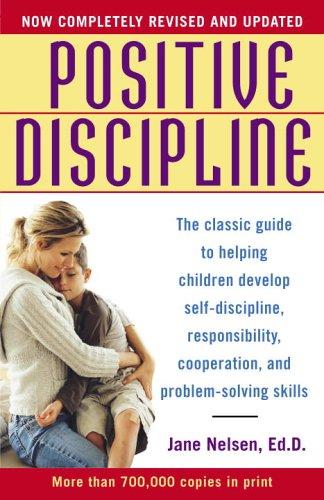 BookPositive Discipline — Jane Nelsen
The reference book. Concrete tools for parents and teachers based on simultaneous firmness and kindness. Available in Spanish.
WebsitePositive Discipline AssociationOfficial site with resources, training, and tools to implement positive discipline in the classroom and at home.
WebsiteMistaken Goals — DreikursExplanation of the four mistaken goals of behavior (attention, power, revenge, assumed inadequacy) and how to respond to each.
ESWebsitePositive Discipline in the Classroom — EducreaArticles and resources in Spanish on how to apply positive discipline in Latin American school contexts.
ESWebsitePositive Discipline Latin AmericaNetwork of Positive Discipline trainers and practitioners in Latin America. Workshops, certifications, and resources in Spanish for teachers and families.
ESPDFLimits, Firmness, and Tenderness — Valoras UC SeriesPractical cards from the Valoras program (Chile) on how to set limits with kindness. Free download, ideal for parent meetings.
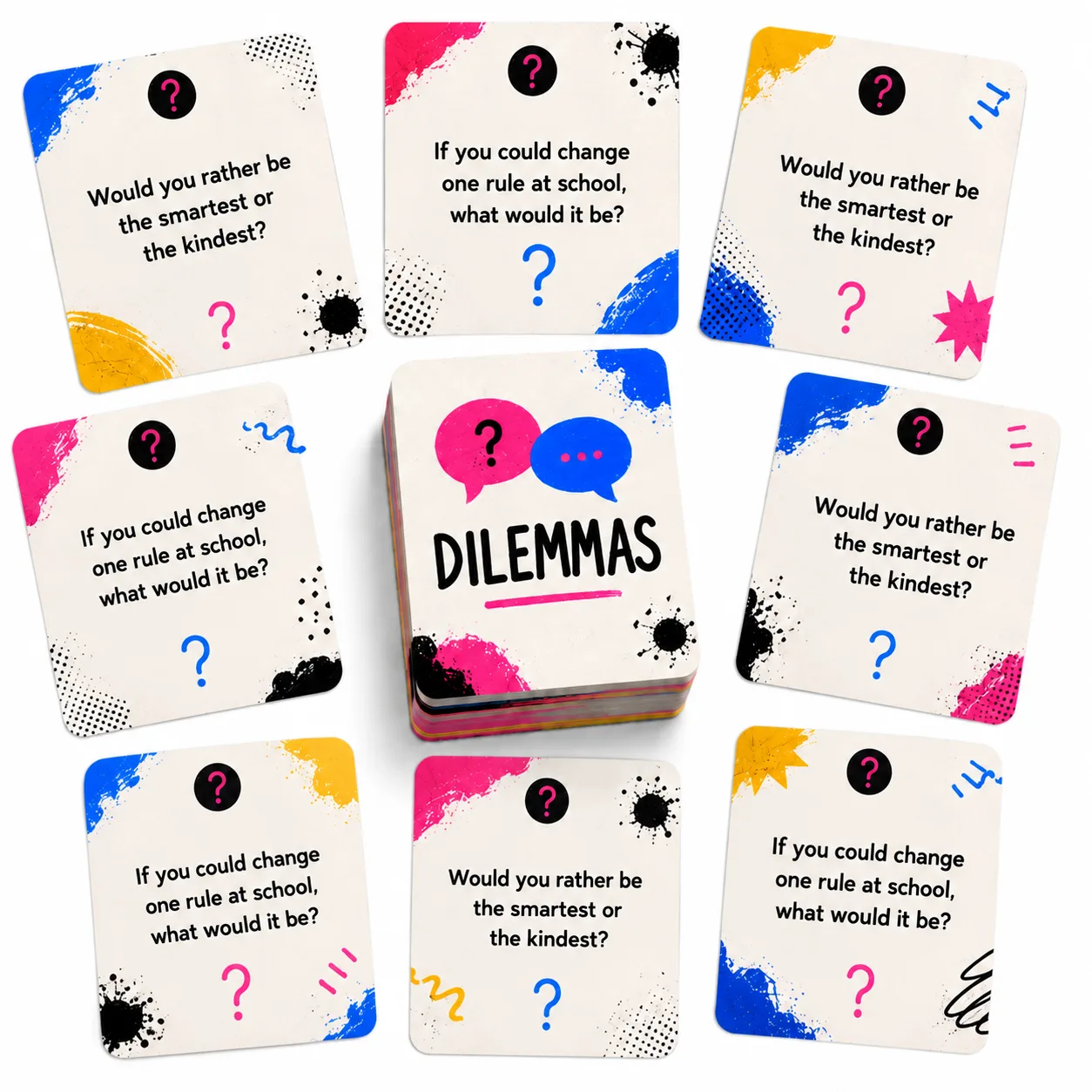 ToolDilemma Cards
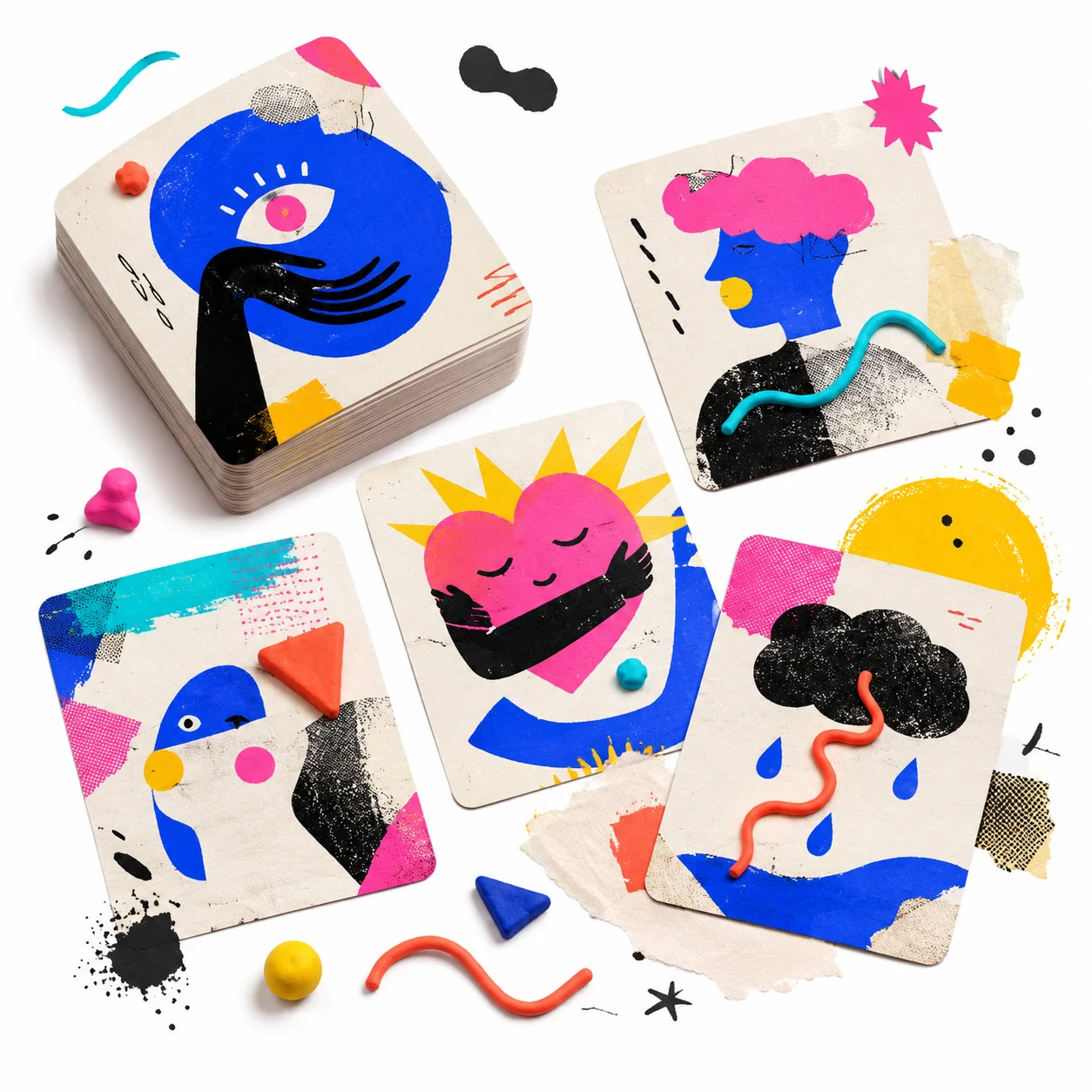 ToolEmotions Deck
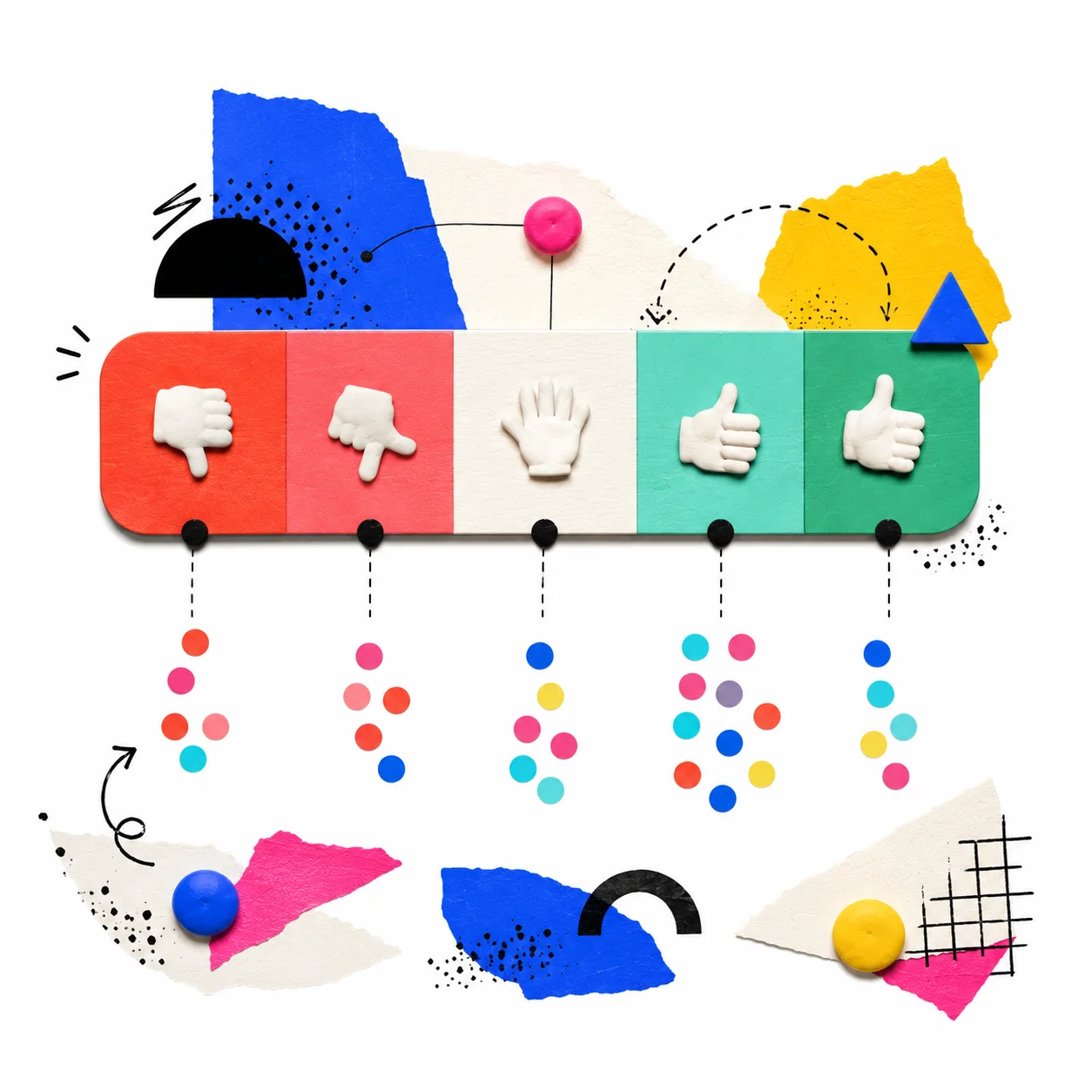 ToolAgreement Scale
 ToolSilent Debate