Learning Narratives
Wrapping content in a story that gives it meaning, context, and emotion.
What is it?
Learning narratives consist of using the structure of story — characters, conflict, tension, resolution — as a vehicle for teaching curricular content. Jerome Bruner demonstrated that human beings have two modes of thought: the logico-scientific (categories, causes, proofs) and the narrative (intentions, actions, consequences). School privileges the first and ignores the second. Learning narratives rebalance that equation.
Kieran Egan, creator of Imaginative Education, proposes that every lesson can be designed as a story: it begins with a tension or mystery ('why did the dinosaurs go extinct?'), develops with the exploration of the problem, and culminates with a resolution that transforms the student's understanding. Emotion is not an ornament — it is the engine of learning.
It is not about telling stories about the topic. It is about structuring the learning experience AS a story: there is a problem that matters, there is a journey of discovery, there is a moment of understanding. When students feel that the lesson has narrative meaning — beginning, middle, end — they retain more, connect more, and care more.
We are storytelling animals. If you want someone to understand something, tell them a story.
— Jerome BrunerWhat does it look like in class?
A science teacher does not start the geology unit by saying 'Today we are going to look at types of rocks'. She starts with a photo of a sliced mountain and asks: 'What story does this rock tell? What happened to it over millions of years?' The entire unit is the reconstruction of that geological story.
In math, the teacher introduces a fictional character — Ana, an architect who must design a bridge. Each class is a challenge Ana faces: calculating angles, estimating materials, solving scale problems. Students are not solving exercises — they are helping Ana build her bridge.
In history, instead of presenting the Revolution as a list of causes and consequences, the teacher tells it through three real characters: a peasant, a merchant, and a politician. Each one lives the same events from their perspective. Students read fictional 'diaries' based on real sources and debate who was right.
A language teacher uses the 'hero's journey' structure (Campbell) as a framework for students to write their own stories. But first they apply it to texts they read: they identify the hero, the call to adventure, the trial, and the transformation. The narrative structure becomes a literary analysis tool.
Signs it works
- Students ask 'what is going to happen?' — they are hooked on the narrative and want to continue
- Students remember content weeks later because it is anchored to a story, not a list
- Students make emotional connections with the content — they care about what happened, they don't just memorize it
- The class has narrative rhythm: there is tension at the start, exploration in the middle, and resolution at the end
- Students create their own narratives to explain concepts — they have internalized the structure
Common mistakes
Telling a story AT THE BEGINNING and then giving the normal lesson — the narrative must be the structure of the whole experience, not an introductory ornament
Creating narratives so elaborate that the content gets lost — the story is the vehicle, not the destination
Using narratives only in language arts or history — science and math also have powerful stories
Not closing the narrative — if the story has no resolution, the student is left with the tension without the understanding
Key thinkers
Cognitive psychologist who demonstrated the existence of narrative thinking as a fundamental mode of human understanding. His work changed how we understand how we learn.
Pedagogue and creator of Imaginative Education. Proposes that every lesson can be designed as a story using narrative elements like tension, mystery, and resolution.
Researcher who compiled Narrative in Teaching, Learning, and Research with Egan. His work connects narrative with concrete teaching practice.
Dive deeper
Fundamental anthology connecting narrative with teaching practice.
ESBookImagination in Teaching and Learning — Kieran EganEgan shows how to use narrative, metaphor, and emotion to plan lessons.
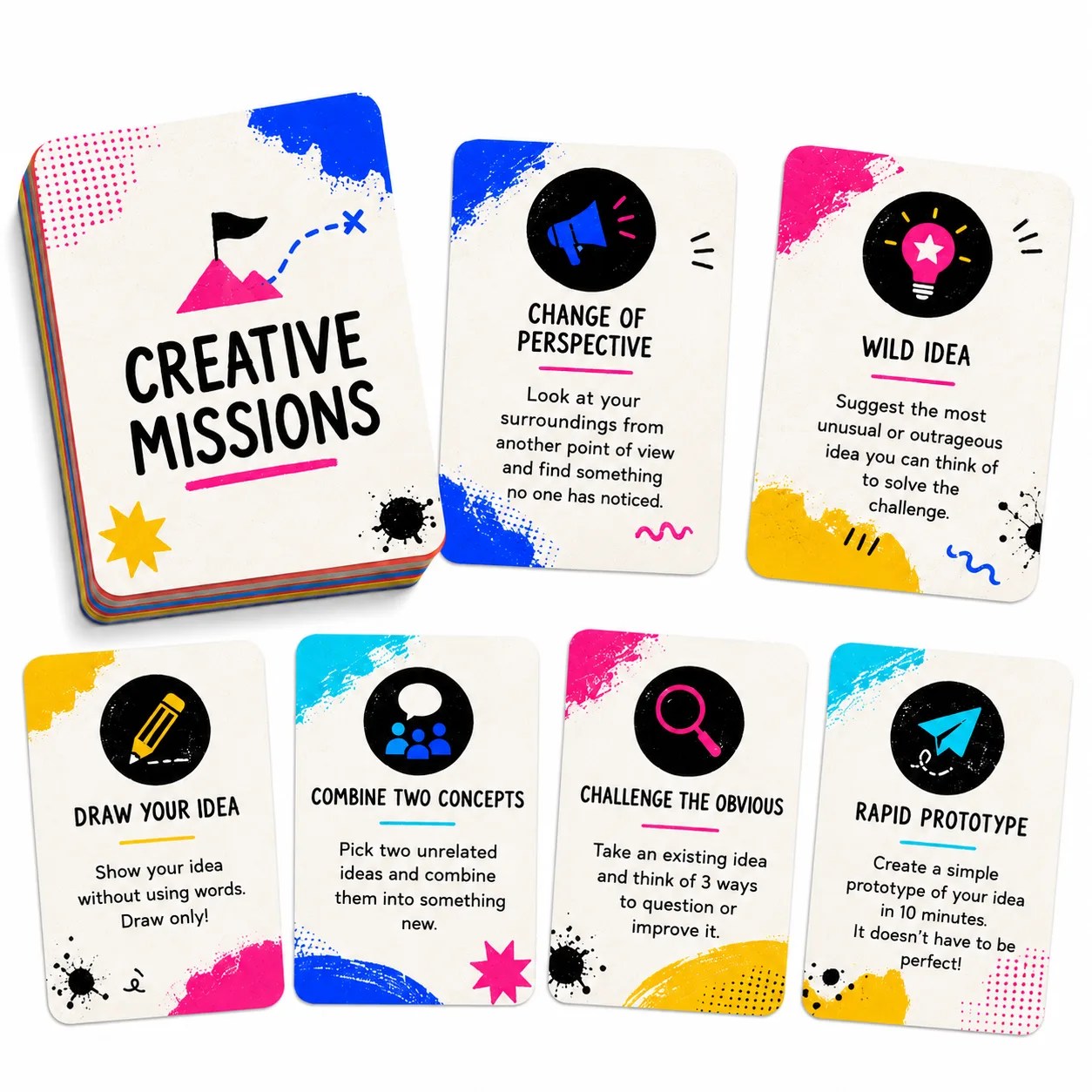 ToolCreative Mission Cards
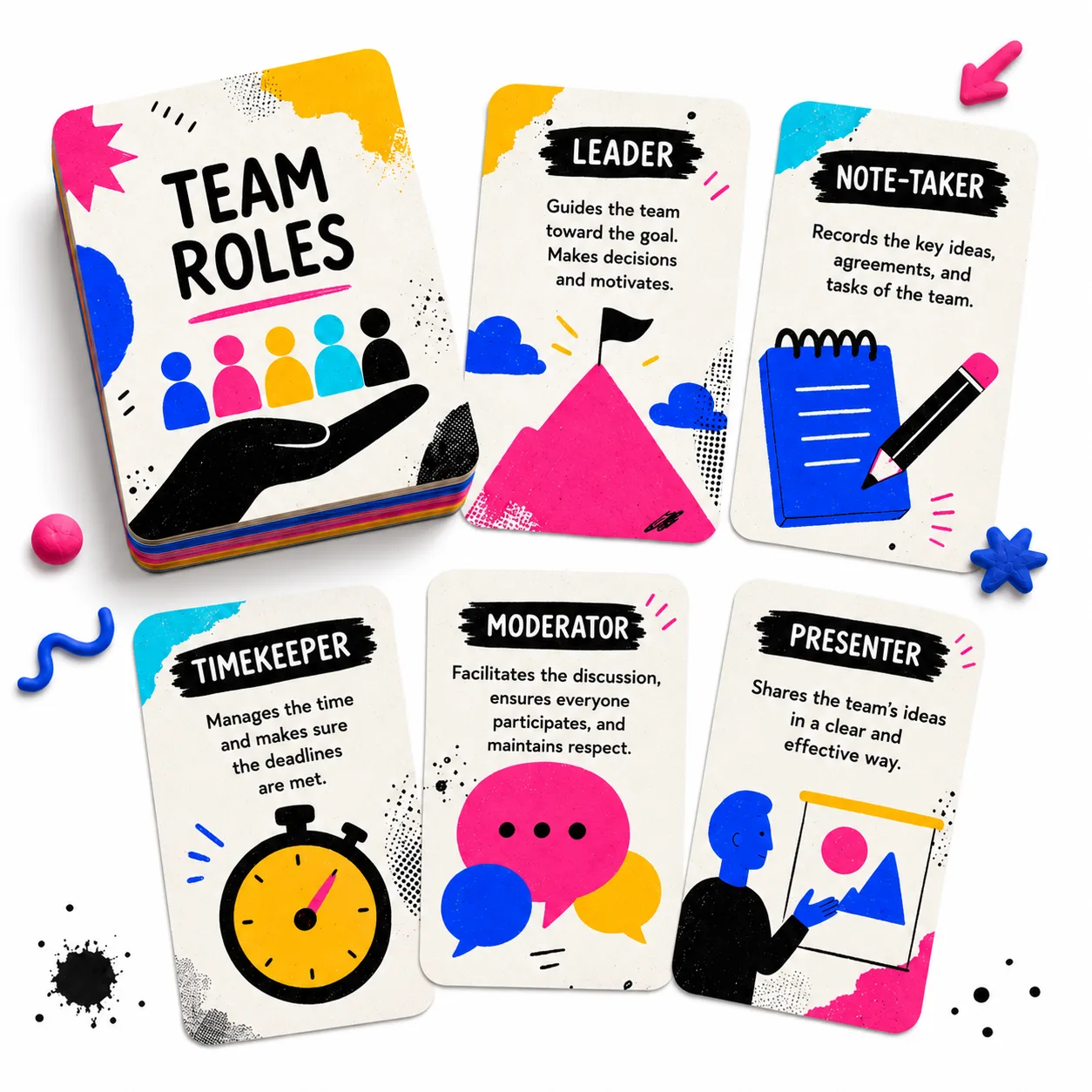 ToolRole Cards
 ToolCollaborative Ideas Wall
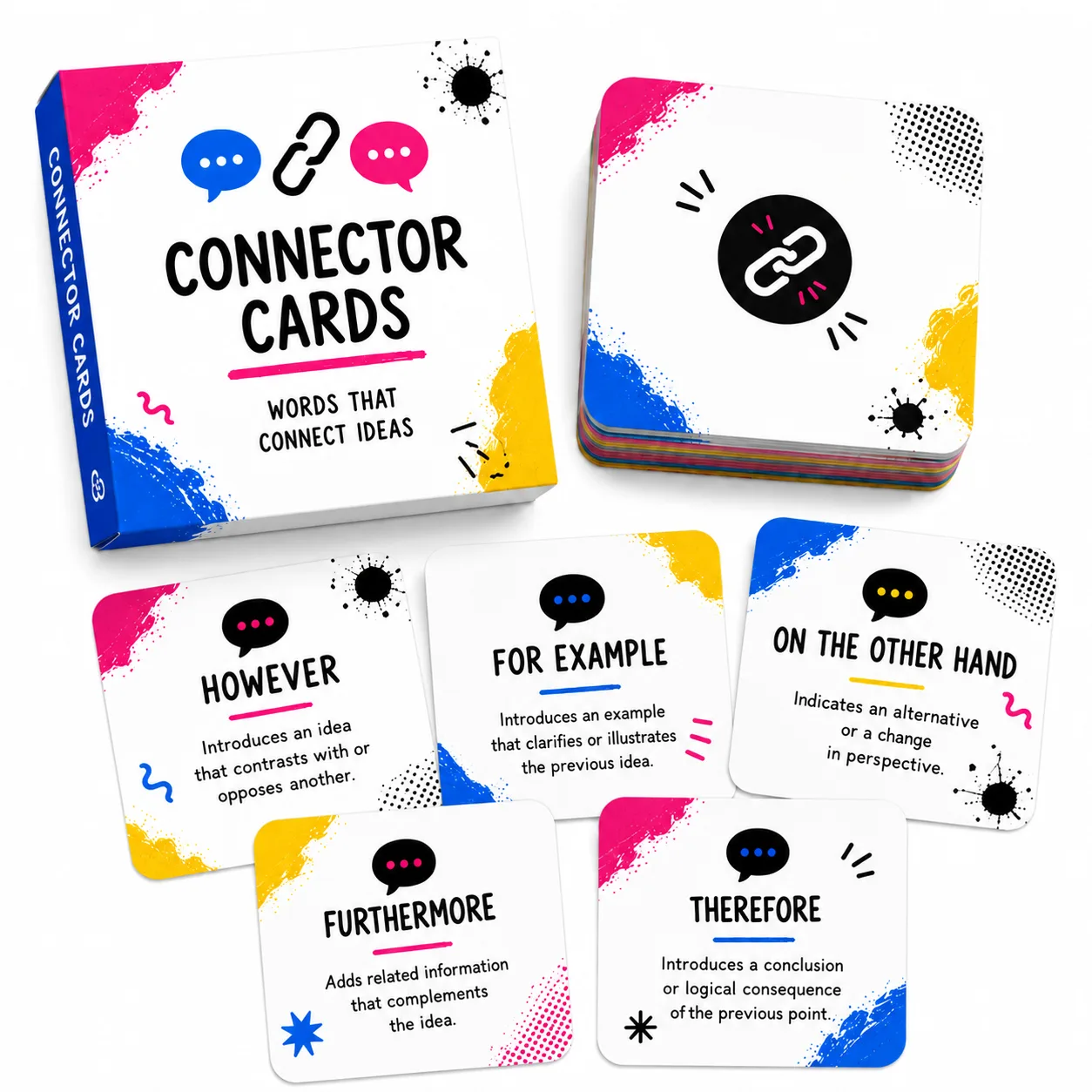 ToolConnector Cards