Decision Making
Evaluate options, consider consequences, and choose with sound reasoning.
In any moment of decision, the best thing you can do is the right thing, the next best thing is the wrong thing, and the worst thing you can do is nothing.
— Theodore RooseveltMastery progression
Decides impulsively or avoids deciding. Does not consider alternatives. Goes along with the group without reflection.
Considers two or three options. Starts thinking about immediate consequences. Needs support to evaluate.
Evaluates options with clear criteria. Anticipates short- and medium-term consequences. Justifies their decisions.
Makes complex decisions under uncertainty. Weighs risks and benefits. Accepts responsibility for outcomes.
- Choose between two simple options and give a reason
- Identify what they dislike about an option
- Recognize when they are postponing a decision
- Generate more than three alternatives before deciding
- Use a pros and cons matrix to compare options
- Anticipate medium-term consequences, not just immediate ones
- Distinguish between a reversible and an irreversible decision
- Make strategic decisions that affect a group
- Decide in high-uncertainty contexts with incomplete information
- Design decision frameworks for others to use
Questions that activate it
Tap a card to see the coaching guide
What are all your options, not just the obvious ones?
Tap to flipBroadens their field of vision. Students usually see only 2 options. Ask them to list at least 4 before choosing.
Tap to returnWhat's the best and worst that could happen with each option?
Tap to flipActivates consequential thinking. Mapping extreme scenarios helps make more informed decisions.
Tap to returnCan this decision be undone?
Tap to flipTeaches the difference between reversible decisions (easily corrected) and irreversible ones (requiring more care). Jeff Bezos calls them 'one-way vs. two-way doors'.
Tap to returnWhat would you say about this decision a year from now?
Tap to flipIntroduces temporal perspective. Creating distance from the present moment improves decision quality.
Tap to returnWhat would someone you admire do in this situation?
Tap to flipUses third-party mental models to gain objectivity. The student detaches from their biases by thinking from another person's perspective.
Tap to returnWhat value of yours is at stake in this decision?
Tap to flipConnects the decision with personal values. Many difficult decisions are value conflicts, not logic problems.
Tap to returnDo you have all the information you need, or are you guessing?
Tap to flipTeaches how to distinguish between deciding with data and deciding with assumptions. Sometimes the best decision is to gather more information.
Tap to returnWhat is stopping you from deciding right now?
Tap to flipIdentifies the real blockage. It could be fear, lack of information, social pressure, or perfectionism. Each is resolved differently.
Tap to returnAn adult makes around 35,000 decisions per day. Most are automatic, but the few that are conscious determine quality of life. Teaching good decision-making is one of the highest-impact skills for the long term.
Sahakian & Labuzetta, 2013 — Bad Moves: How Decision Making Goes WrongIdeas for developing it
- Present an ethical dilemma and debate the options in groups
- Hold a mock trial where each group defends a different decision
- Use a weighted decision matrix to choose between options
- Compare pros and cons visually using colored sticky notes
- At the start of a project, decide as a team on the topic, format, and roles with supporting arguments
- Document the decisions made and why they were made
- Choose between classroom activities using the choice board
- Vote democratically on a class topic and analyze the process
- Role-play game where each decision opens a different path
- Simulate financial decisions with limited resources
- Analyze a historical decision: what options did that person have? What would you have done?
- Rewrite a historical event if a different decision had been made
- Use priority voting to decide as a group
- Reach a consensus using the agreement scale
- Make a decision based on real data and defend it
- Analyze how cognitive biases affect everyday decisions
Resources and tools
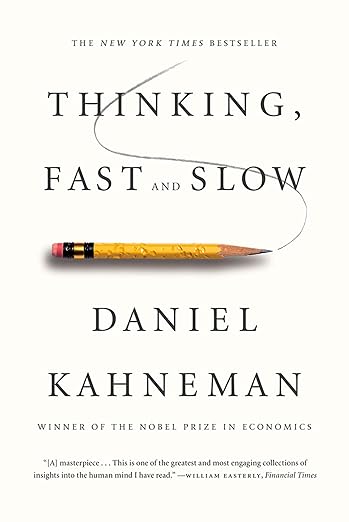 BookThinking, Fast and Slow — Daniel Kahneman
The reference book on cognitive biases and how they affect our decisions. Essential reading on this topic.
Dilemma CardsWebsiteDecision Making for Students — EdutopiaResources and strategies for developing critical thinking and decision-making in the classroom.
Agreement ScaleVideoThe Paradox of Choice — Barry Schwartz TEDTED talk on why having too many options is paralyzing and how to decide better.
Choice BoardESWebsiteDecision Making in the ClassroomPractical activities and resources for working on decision-making with students.
Priority VoteOpinion ThermometerVenn DiagramCause-Effect Diagram