Gamification is not putting points on everything
When teachers hear “gamification,” they tend to imagine one of two things: point systems and rewards layered on top of the same old content, or video games in class. Neither of these is well-applied educational gamification.
Gamification is the use of game mechanics and dynamics in non-game contexts to increase motivation and engagement. It is not about turning everything into a game — it is about incorporating the elements that make games compelling (challenges, immediate feedback, visible progression, uncertainty, autonomy of choice) into the design of learning experiences.
The distinction matters because poorly implemented gamification — points for everything, permanent rankings, badges for doing homework — not only fails to work long-term but can actually damage intrinsic motivation. And well-implemented gamification is one of the most effective ways to sustain engagement with content students might otherwise find dry or difficult.
The science behind why games hook us
Why do games engage us? Research in game psychology (Csikszentmihalyi, Ryan and Deci, McGonigal) identifies several mechanisms:
Games are most engaging when the difficulty level matches the player's skill level. Too easy produces boredom; too hard produces anxiety. The balance point produces what Csikszentmihalyi called "flow": a state of concentration and enjoyment that learning rarely generates on its own.
In games, the player knows at every moment whether they are advancing or falling back. In traditional classes, feedback arrives days or weeks after the action, by which point the cause-and-effect connection is lost. Immediate feedback sustains motivation because it makes progress visible in real time.
Good games give the player control over their decisions: which mission to take, which strategy to follow, when to take risks. Ryan and Deci's self-determination theory (2000) identifies autonomy as one of three basic psychological needs whose satisfaction produces intrinsic motivation.
Games incorporate randomness and unpredictability within known rules. This combination of structure and surprise generates anticipation and keeps attention active.
Gamification vs. game-based learning
These two approaches are frequently confused:
| Gamification | Game-Based Learning | |
|---|---|---|
| What it is | Game mechanics applied to educational content | Games designed (or used) with pedagogical purpose |
| The game | Is the wrapper, not the primary vehicle | Is the primary vehicle for learning |
| Example | Reviewing fractions in Jeopardy format | Simulating a city’s economy to learn math |
| Design | The teacher designs the mechanics | The teacher chooses or designs the game |
| Time required | Low to moderate | Moderate to high |
Both approaches are valid and complement each other. Gamification is easier to implement in the short term and more flexible to integrate into existing planning.
Five gamification mechanics for the classroom
In Educational Jeopardy, teams choose a category and a value (from lowest to highest difficulty) and bet points before answering. The betting mechanic introduces a strategic element that goes far beyond knowing the correct answer: students must assess their confidence level, decide when to take risks, and manage the risk of being wrong. This activates real-time decision-making.
One of the most powerful game mechanics is the progress bar. The classroom equivalent is making the group's advancement toward a goal visible: how many concepts from the unit vocabulary they have already mastered, how many challenges they have completed, which "level" of the project they are on. Visible progression combines the motivation of achievements reached with the tension of those still ahead.
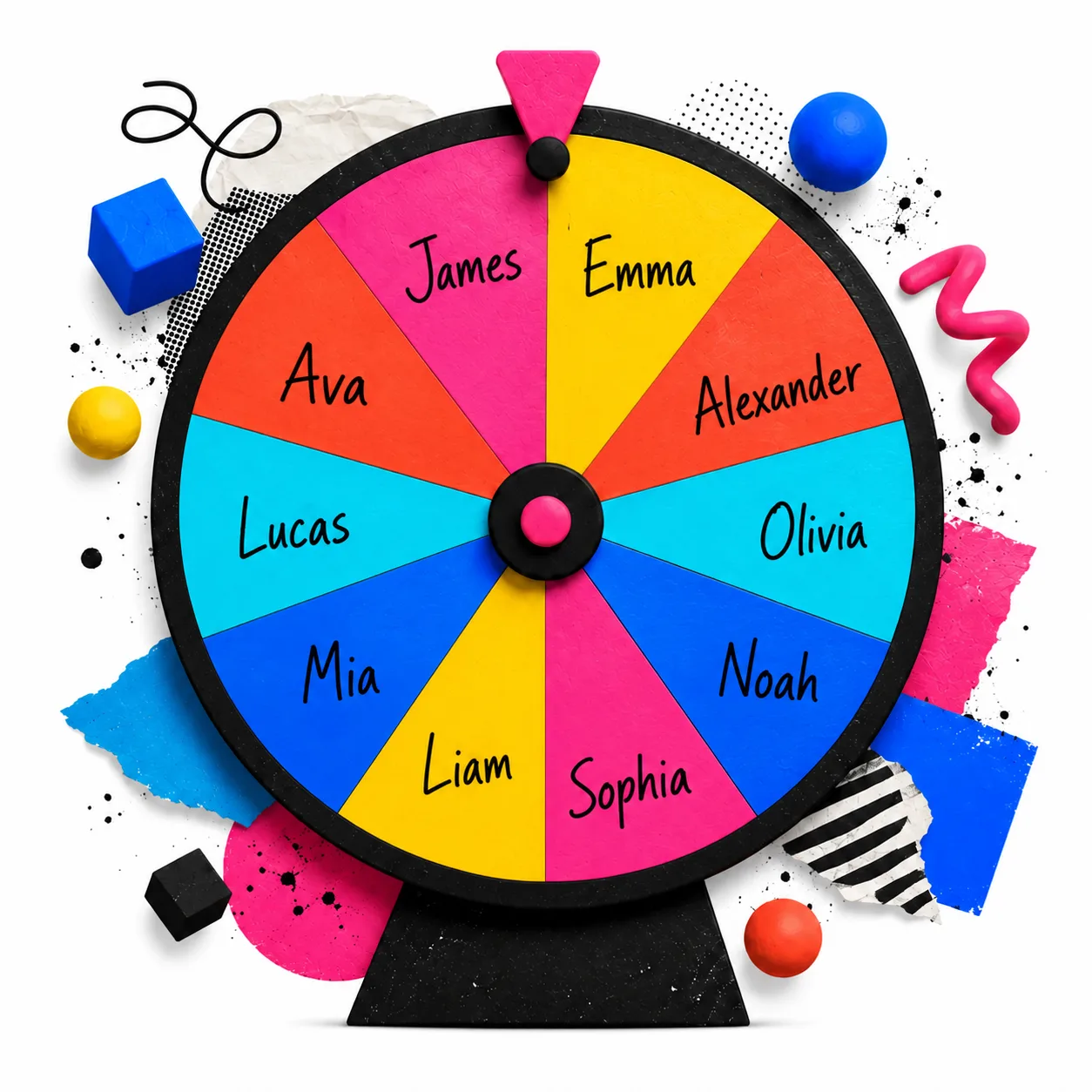
The Name Spinner and the Question Dice introduce randomness into class dynamics. The spinner keeps the entire group's attention active because anyone can be chosen to answer. The dice generates questions of varying difficulty at random, eliminating the feeling that "the hard questions always go to the same people." Managed uncertainty — within a framework where everyone knows the rules — is a source of attentional activation that expository classes simply do not have.
Educational Bingo and Jeopardy both generate competition between teams. This mechanic works well when competition is between groups (not individuals), when teams rotate to prevent the same group from always winning, when losing has no negative academic consequences, and when the focus is on the process (which questions generated the most discussion) as well as the outcome.
Individual competition is more problematic: it can demotivate those who lose systematically and reinforce existing social hierarchies. Well-designed team competition distributes the experience of winning and losing more equitably.
Diplomas and certificates are more effective than generic points because they name the specific achievement: "Fractions Expert," "Strong Argument Defender," "19th Century Explorer." Specific recognition tells the student exactly which skill or knowledge they mastered — useful information that generic points do not provide.
Carol Dweck's research on growth mindset suggests that recognition is more effective when it names the effort or strategy ("for having rephrased the argument three times until it was solid") than when it names the result ("for having the highest grade").
How to avoid empty gamification
Gamification fails when game mechanics are applied on top of content that has no meaning for students. Adding points and rankings to boring activities does not produce motivation — it produces an illusion of engagement that quickly fades.
The fundamental rule: game mechanics must amplify learning, not replace it. A Jeopardy that has students review key concepts with strategy and excitement is effective gamification. A Jeopardy that replaces deep understanding with memorized trivia is not.
Three useful design questions:
- Does the game mechanic require students to use the knowledge I want them to learn, or just recall it?
- Does the game have the right level of difficulty for the group? Is there real tension between the challenge and the skill?
- Do students who lose or make mistakes learn something from the process, or do they just feel bad?
The crossword and bingo as consolidation tools
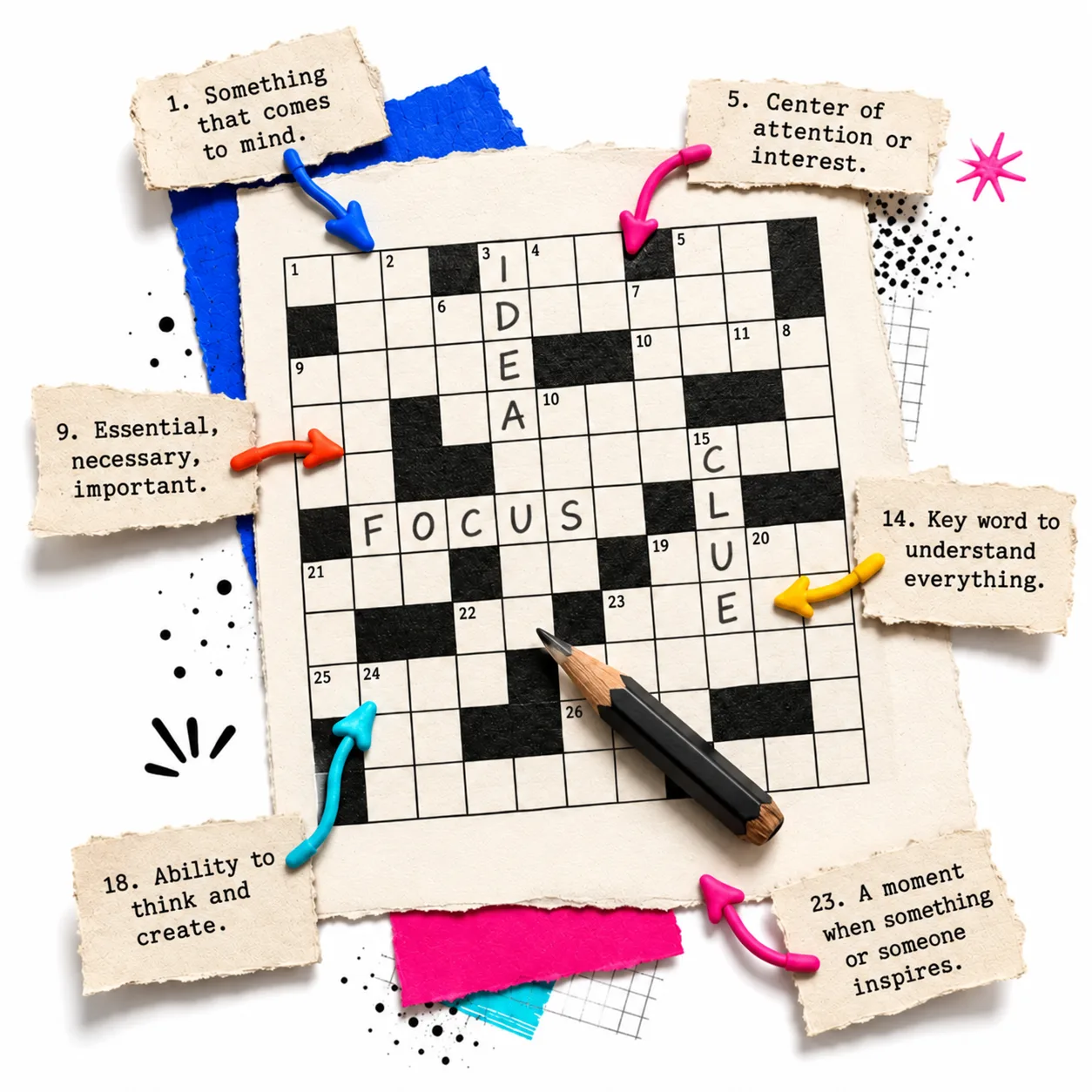
The crossword generated with a unit’s vocabulary is one of the most efficient consolidation tools. Unlike copying definitions, the crossword requires activating the meaning of each term to fit it with crossed clues — a process that involves active retrieval, which Roediger and Butler (2011) identify as one of the most powerful learning mechanisms.
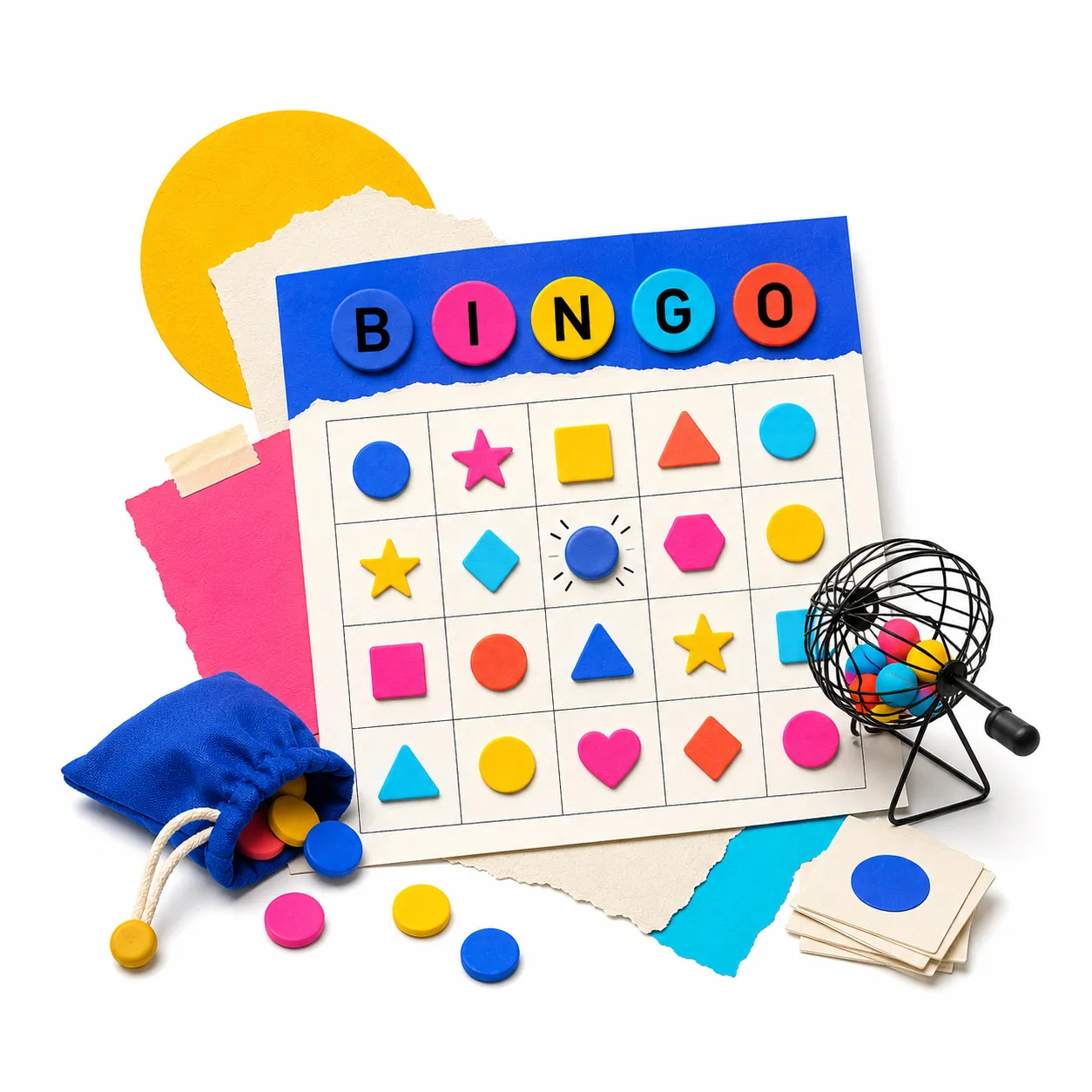
Educational Bingo works similarly: each student has a different card (generated automatically), which eliminates copying and guarantees individual attention. When the teacher calls a definition or clue and students must identify the term on their card, they are practicing active retrieval with a layer of excitement that a written exercise simply does not have.
Free tools to gamify any subject
Educational Jeopardy — for strategic review
Educational Jeopardy generates a question board organized by category and value. Teams choose how much to risk before answering, which introduces strategic decision-making. It turns review sessions into competitions with real tension: knowing the answer is not enough — you have to decide when to stake it.
Bingo Generator — for consolidating vocabulary
The bingo generator creates personalized cards with the unit’s concepts, terms or definitions. Each student gets a different card, eliminating copying and keeping individual attention active. The teacher reads clues or definitions and students look for the term on their card — active retrieval in a playful format.
Crossword Generator — for reviewing with depth
The crossword generator turns the unit vocabulary into an interactive crossword. Unlike copying definitions, the crossword requires activating the meaning of each term to fit it with crossed clues — an active retrieval process that consolidates learning better than rereading.
Name Spinner — for keeping attention active
The Name Spinner randomly selects a student to answer. It keeps the whole group’s attention active because anyone can be chosen — not just those who raise their hand. Uncertainty is the mechanism: everyone must always be ready.
Question Dice — for adding randomness to practice
The Question Dice generates questions of varying difficulty at random. It adds the element of unpredictability that makes games more engaging and distributes cognitive demands more equitably: the hard questions do not always go to the same students.
Diploma Generator — for specific recognition
The diploma generator creates personalized recognition for specific achievements: “Fractions Expert,” “Strong Argument Defender,” “19th Century Explorer.” Specific recognition tells the student exactly which skill or knowledge they mastered — useful information that generic points do not provide.
Common mistakes
Using it only for review. Gamification mechanics are not only useful for closing a unit. They can be integrated at the beginning (to activate prior knowledge), during class (to practice with immediate feedback) and at the close (to consolidate). Varying the timing prevents students from associating games only with “when we finish the topic.”
Ignoring those who do not win. In any competitive system, some students lose systematically. Well-designed gamification has multiple ways to win (the most creative answer, the best team strategy, individual progress from the start) so that the same students do not always take home the recognition.
Keeping the same teams always. If competitive work groups are always the same, a hierarchy installs itself quickly: strong teams always win and weak teams always lose. Rotating teams each activity distributes experiences of victory and defeat more equitably.
What competencies it develops
- When students decide how much to bet in Jeopardy, assess their confidence level and choose when to take risks, they are practicing decision-making with real — not simulated — consequences.
- When a team loses a round and has to keep playing, they are training frustration tolerance: the ability to stay emotionally active after a setback without giving up or disconnecting.
- When the game mechanic invites trying again, adjusting strategy and improving on the next turn, growth mindset is activated: the belief that skill is developed through practice, not fixed.
- When a student must manage the excitement of winning, the frustration of losing or the impulse to react to a rival, they are exercising self-regulation — the ability to regulate their own internal states under pressure.
How to start
Use Educational Jeopardy for the next content review. Set up 3 categories with 4 questions of different values. Divide the class into 3 or 4 random teams. In 20 minutes, the content gets reviewed with more energy than any written exercise.
Generate a crossword or bingo with the current unit's vocabulary. These are individual activities that work well at the end of class or as the start of the next session.
Design a progression system for a multi-week project — levels, optional challenges, recognition for specific achievements. Diplomas allow you to personalize recognition without the teacher having to design anything from scratch.