Restorative Practices
Resolving conflicts by repairing harm and rebuilding relationships instead of punishing.
What is it?
Restorative practices are a conflict management approach that asks 'what harm was caused and how do we repair it?' instead of 'who is at fault and how do we punish them?' They come from restorative justice in the legal field and are adapted to the school context to build community and repair relationships.
The restorative spectrum runs from informal to formal. The simplest are affective statements ('when you are late I worry about you'), then restorative questions ('what happened? who was affected? what do you need to be okay?'), proactive circles (to build community), and formal restorative circles (to address serious conflicts with all parties involved).
The principle is that the school community is a network of relationships. When someone harms another, they harm that network. Punishment repairs nothing: it only excludes the person who caused the harm. Restorative practice seeks to have the one who caused harm understand the impact, take responsibility, and actively participate in repair.
Restorative justice does not ask what rule was broken, but who was harmed and what they need to heal.
— Howard ZehrWhat does it look like in class?
Each week the class holds a proactive circle for 15 minutes. Sitting in a round with a talking piece (only the person holding it speaks), they answer a question: 'What made you proud this week?' These circles build community BEFORE conflicts occur.
Two students have a conflict: one spread a rumor about the other. Instead of punishing, the teacher facilitates a restorative circle with both. Each responds: 'What happened? How did you feel? What do you need to be okay?' Together they agree on a repair plan.
After a bullying incident, a restorative circle is held with the student who bullied, the victim (if they want to participate), witnesses, and a facilitator. The focus is not punishment but having the perpetrator hear directly about the impact of their actions and propose how to repair the harm.
The teacher uses affective statements during the day: instead of 'stop talking,' they say 'when there is a lot of noise I find it hard to concentrate, and it frustrates me because I want this activity to go well for you.' It communicates impact instead of giving orders.
Signs it works
- Students use restorative language among themselves: 'how did what I did affect you?'
- Conflicts are addressed quickly instead of accumulating until they explode
- Referrals to the principal's office and suspensions decrease
- Students who caused harm actively participate in repair — they are not passive recipients of punishment
- A sense of community is felt: students feel they belong and that relationships matter
Common mistakes
Using circles only when there are conflicts — proactive circles build the foundation for restorative ones to work
Forcing the victim to participate when they are not ready — participation must always be voluntary
Turning the restorative circle into a disguised trial where the adult has already decided who is right
Implementing restorative practices without changing the school's punitive culture — they do not work as isolated tools within a punishment system
Key thinkers
Considered the grandfather of restorative justice. His book Changing Lenses transformed the way justice is understood and its application in education.
Founder of the International Institute for Restorative Practices (IIRP). Developed the restorative spectrum and the social discipline window theory.
Researcher who has led the implementation of restorative practices in schools in Australia and Canada. Her work connects restorative justice with school belonging.
Argentine mediator and reference for restorative practices in Latin American schools. Has trained thousands of teachers in Argentina, Uruguay, and Chile in restorative circles.
Dive deeper
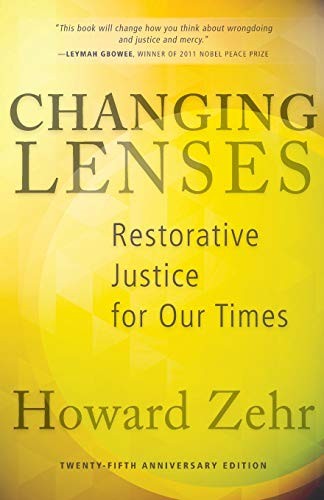 BookChanging Lenses — Howard Zehr
The foundational book of restorative justice. Zehr reframes justice from repairing harm rather than punishment.
WebsiteIIRP — International Institute for Restorative PracticesGlobal reference institute for restorative practices. Offers training, research, and resources for school implementation.
ESWebsiteRestorative Practices in School — School Coexistence (Chile)Resources from Chile's Ministry of Education on school coexistence with a restorative approach.
VideoRestorative Circles in the Classroom — EdutopiaVideos and articles on implementing restorative circles in schools. Concrete examples and step-by-step guides.
ESPDFRestorative Justice in School — UNICEF ArgentinaUNICEF Argentina guide on the restorative approach in schools. Legal framework, practical tools, and case studies in Latin American contexts.
ESPDFSchool Coexistence Guide — Argentina Ministry of EducationRegulatory framework and tools for school coexistence with a restorative approach. Includes the Federal Guidance Guide and coexistence agreements.
 ToolEmotions Deck
 ToolAgreement Scale
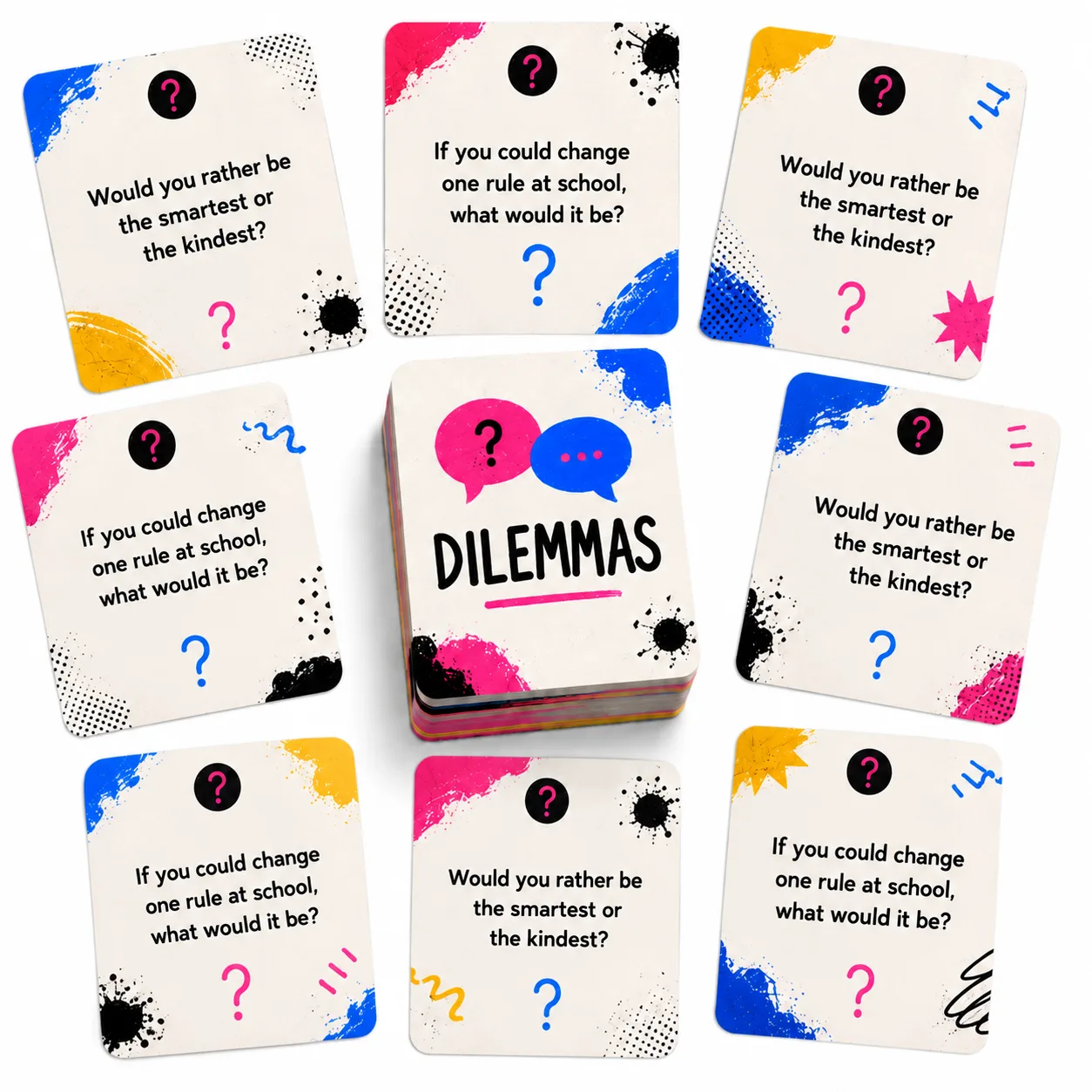 ToolDilemma Cards
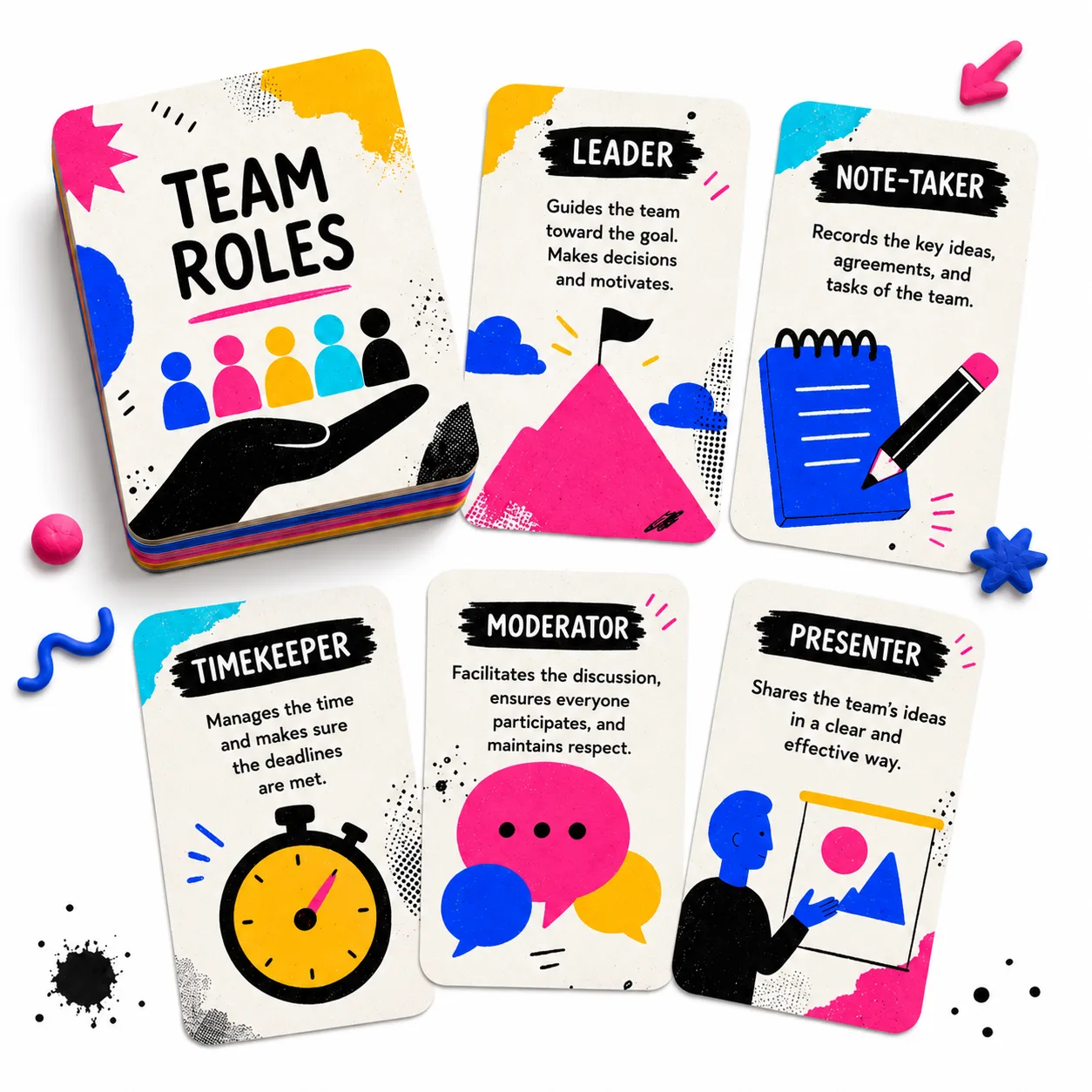 ToolRole Cards