Pedagogy of Care
Connection and care as the foundation of all learning. Relationships first, content after.
What is it?
The pedagogy of care (ethics of care) proposes that the relationship between teacher and student is the foundation on which all learning is built. Before teaching content, the teacher needs to build a bond of trust, safety, and belonging. A student who does not feel cared for cannot learn — their brain is in survival mode, not learning mode.
Nel Noddings, the leading theorist of the approach, distinguishes between 'caring about' (being concerned about) and 'caring for' (actually caring for). It is not enough for the teacher to say they care about their students: the student has to feel it. Care is verified in the receiver's experience, not the sender's intention. This changes everything: the question is not 'do I care about my students?' but 'do my students feel cared for by me?'
Noddings' four practices of care are: modeling (students see the teacher caring), dialogue (genuine conversations about life, not just content), practice (students have opportunities to care for others), and confirmation (recognizing the best in each student and reflecting it back).
Kids don't learn from people they don't like.
— Rita PiersonWhat does it look like in class?
The teacher greets each student at the door with a personalized greeting: a fist bump, a 'hi Martin, how was the game?', a simple eye contact with a smile. These are 10 seconds per student that build belonging.
Each Monday students write a 'weekly note': something good that happened to them, something they are worried about, or something they want to tell the teacher. The teacher reads all of them and responds briefly in writing. It is a one-on-one communication channel that detects problems early.
The teacher notices that a student has been very quiet for days. Instead of asking in front of everyone, they approach at the end of class and say: 'I've noticed you've been quieter these days. You don't have to tell me anything if you don't want to, but I want you to know I'm here.' Sometimes that is enough. Sometimes it opens a door.
In a group project, the teacher includes a moment of 'appreciations': each group member tells another something specific they value about their work. Not generic ('good work') but specific ('I liked how you reorganized the data when we were lost'). That is Noddings' confirmation practice in action.
Signs it works
- Students seek out the teacher to share things unrelated to the subject — a sign of trust
- Students take academic risks: they answer even when unsure, because they know making mistakes is safe
- Absences decrease — students want to come to school because they feel seen and valued
- Students care for others: they help a new classmate, defend someone, share materials spontaneously
- The teacher knows details about each student's life — not just their academic performance
Common mistakes
Confusing care with overprotection — caring does not mean lowering academic expectations or avoiding frustration
Only caring for the 'easy' students and losing patience with the difficult ones — those who resist most are those who most need the bond
Thinking the bond is built once and done — it is daily work, not a permanent achievement
Prioritizing content when the classroom's emotional climate has deteriorated — if the relationship is broken, teaching doesn't reach
Key thinkers
Education philosopher and leading theorist of the ethics of care applied to school. Her book The Challenge to Care in Schools is required reading.
Educator whose TED talk 'Every Kid Needs a Champion' has millions of views. Clearly defined why the human relationship is the foundation of education.
Chilean biologist and thinker who proposed that love is the emotion that founds the social. His concept that 'love is the acceptance of the other as a legitimate other' permeates the pedagogy of care in Latin America.
Dive deeper
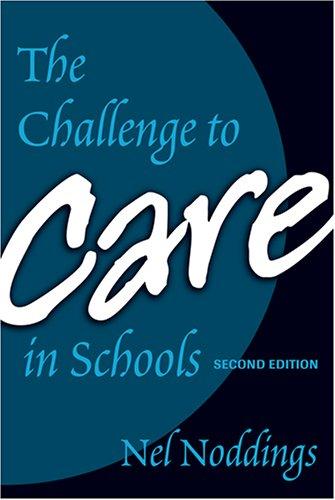 BookThe Challenge to Care in Schools — Nel Noddings
The foundational book of the pedagogy of care. Noddings argues that school should be organized around care, not just content.
VideoEvery Kid Needs a Champion — Rita Pierson (TED)Legendary 7-minute TED talk. Rita Pierson demonstrates with humor and emotion why the human relationship is the foundation of education.
ESBookEmotions and Language in Education — Humberto MaturanaMaturana connects biology, emotions, and education. His idea that we only learn in the acceptance of the other transforms teaching practice.
ESWebsitePedagogy of Care — Educar en CLMResources in Spanish on emotional education and pedagogy of care with downloadable classroom materials.
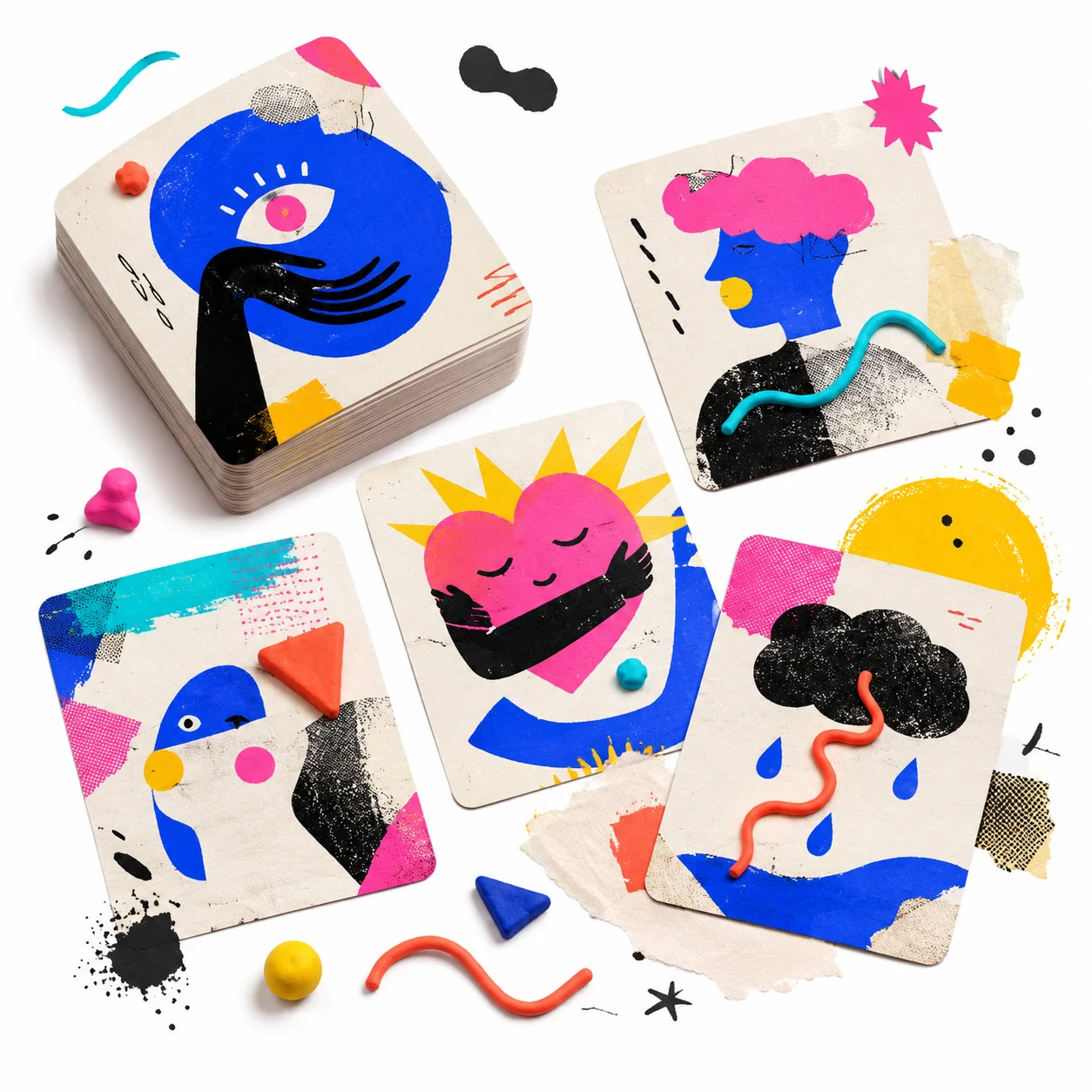 ToolEmotions Deck
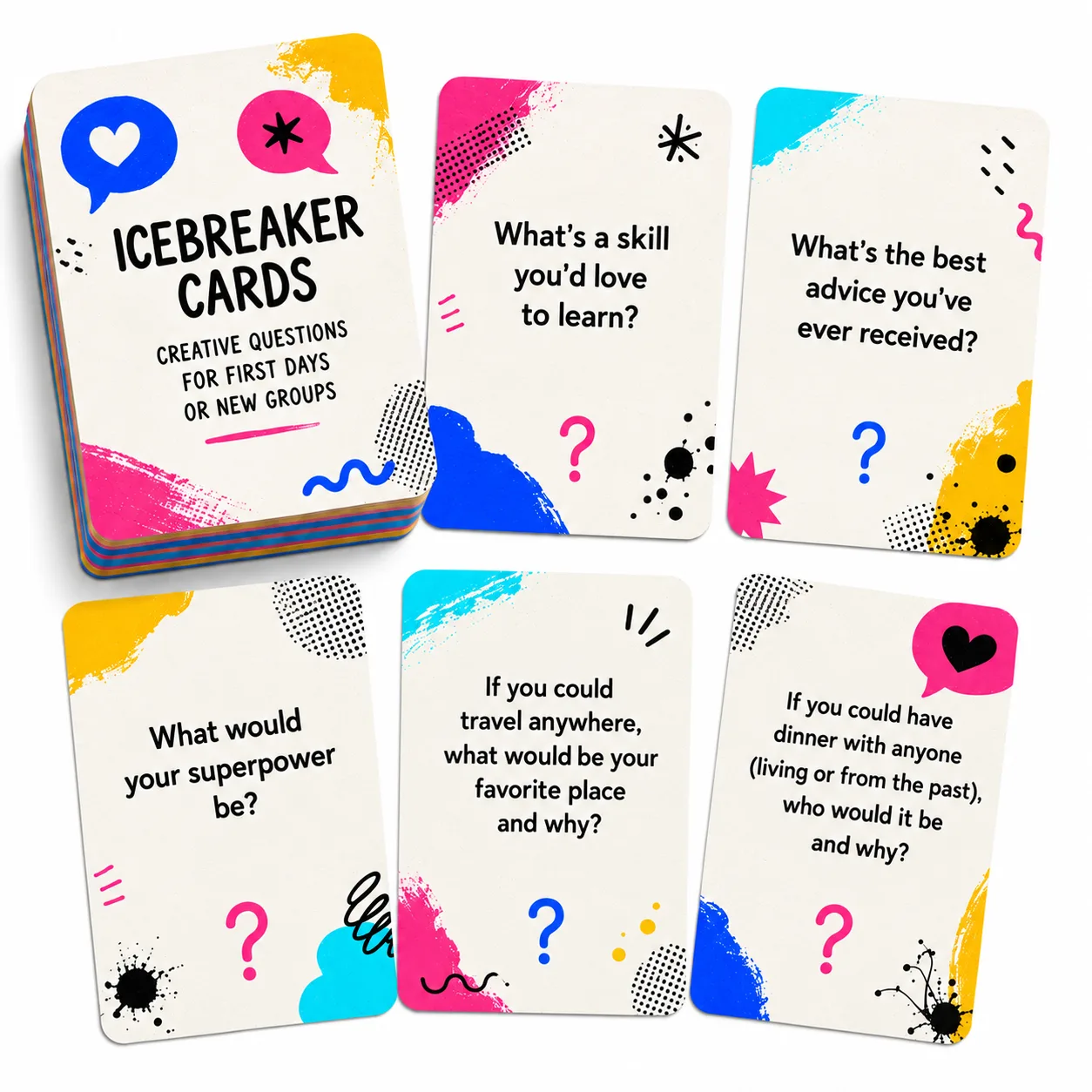 ToolIcebreaker Cards
 ToolExit Ticket
 ToolWork Gallery