Experiential Learning
Learning by doing: the cycle of concrete experience, reflection, conceptualization, and active experimentation.
What is it?
Experiential learning proposes that knowledge is built through direct experience. It is not enough to listen or read: you have to do, feel, reflect, and try again. David Kolb's cycle — experience, reflection, conceptualization, and experimentation — is its backbone.
The key is not just doing but reflecting on what was done. Without reflection, experience is anecdote. With reflection, it becomes learning. The teacher designs experiences and guides the reflection that transforms them into knowledge.
This approach connects with neuroscience: we learn better when we engage the body, emotions, and mind. Multisensory experiences generate stronger and more transferable memories than abstract instruction.
Learning is the process whereby knowledge is created through the transformation of experience.
— David KolbWhat does it look like in class?
In science, students don't read about chemical reactions: they perform them. After experimenting, they write what they observed, which hypotheses were confirmed and which were not. Theory comes after the experience.
In physical education, students experience a cooperative game and then reflect: What strategies did we use? What worked? What would we do differently? Reflection transforms the game into learning.
The teacher organizes a visit to the local market. Students observe, interview, take notes. Back in class, they organize the information and connect it with concepts of economics, nutrition, or math.
After a conflict at recess, the teacher uses the experience as an opportunity: What happened? How did you feel? What could you do differently? Everyday life becomes learning material.
Signs it works
- Students connect what they learn in class with experiences from their daily lives
- Phrases like 'Ah, that's why that happens...' are heard — theory makes sense from practice
- Students ask for more hands-on and experimental activities
- Reflection after an activity generates insights the teacher had not anticipated
- Students can explain a concept using examples from their own experience
Common mistakes
Doing hands-on activities without subsequent reflection — experience without reflection doesn't generate deep learning
Confusing activism with experiential learning — it is not doing for its own sake, but doing with purpose and reflection
Not connecting the experience with curricular content — the experience is the starting point, not the end
Rushing reflection — it needs time, structure, and well-designed questions
Key thinkers
Creator of the experiential learning cycle. His 4-stage model (experience, reflection, conceptualization, experimentation) is the theoretical foundation of the approach.
Philosopher and educator who laid the foundations of learning by doing. His work Experience and Education remains fundamental a century later.
Brazilian educator whose pedagogy of liberation is based on experience and critical reflection as engines of transformation.
Dive deeper
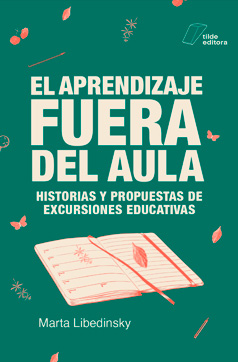 BookLearning Outside the Classroom — Marta Libedinsky
Book for thinking about field trips as designed, memorable experiences connected with deep learning.
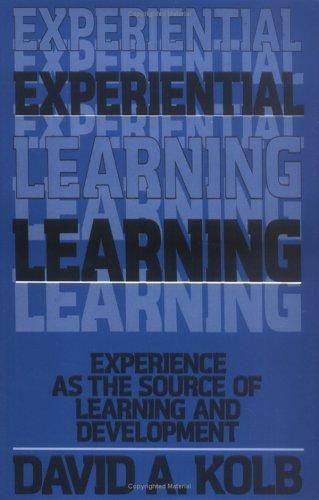 BookExperiential Learning — David Kolb
The foundational book of experiential learning. Updated second edition with the complete 4-stage cycle.
ES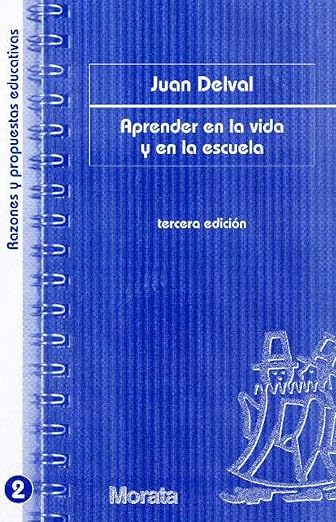 BookLearning in Life and School — Juan Delval Merino
Deep reflection on how real learning occurs in everyday life and how school can connect with that experience. Essential reading in Spanish.
 WebsiteKnowles' Andragogy: The 6 Principles of Adult Learning — DEXPA
The principles that define how adults learn: autonomy, prior experience, internal motivation, and practice orientation. Complements Kolb's cycle from the adult learner's perspective.
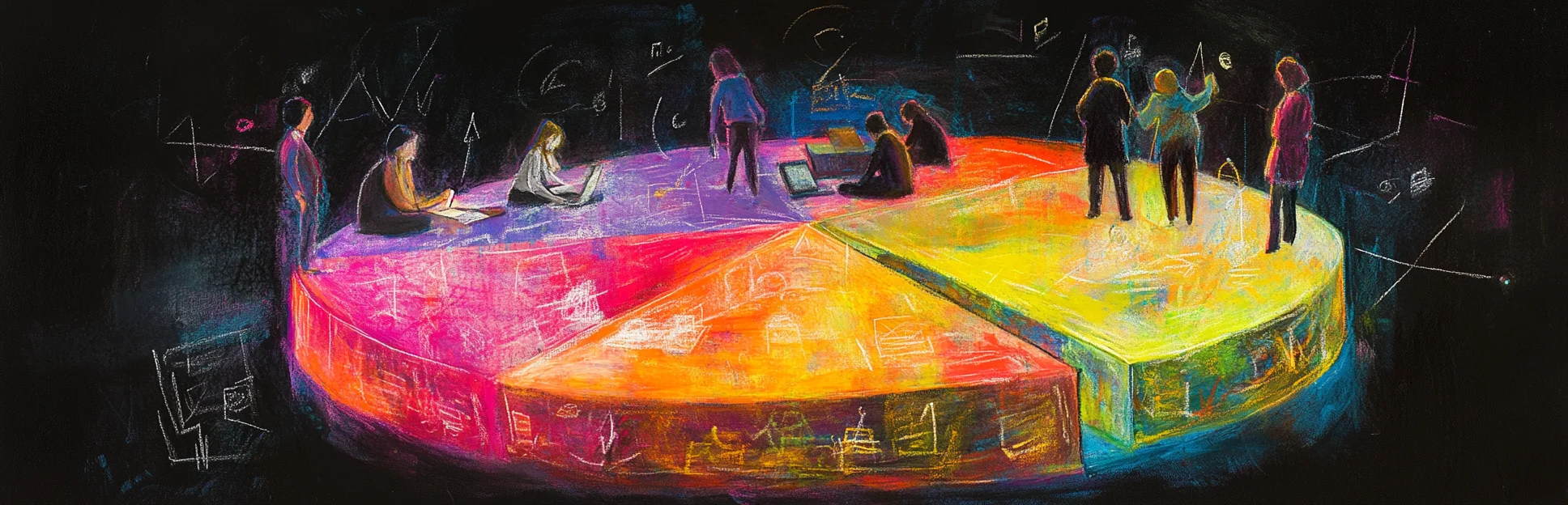 WebsiteThe 70:20:10 Model: How Learning Really Happens at Work — DEXPA
70% of learning happens through direct experience, 20% through interaction with others, and 10% through formal training. A model that reaffirms the value of learning by doing.
ESWebsiteExperiential Learning — University of DeustoResource from Spain's Ministry of Education on experiential learning with examples and theoretical framework.
VideoThe Kolb Cycle ExplainedClear visual video explaining the 4 stages of Kolb's experiential learning cycle.
 ToolI Used to Think / Now I Think
 ToolExit Ticket
 ToolLive Word Cloud
 ToolWork Gallery