Thinking Routines
Short, repeatable structures that organize student thinking and make it visible to everyone.
What is it?
Thinking routines are short sequences of 3 or 4 steps that are used over and over in the classroom until they become habits. They are not isolated activities — they are tools that students internalize and eventually use independently.
They were developed by Project Zero at Harvard as part of the Visible Thinking approach. Each routine has a specific purpose: exploring ideas, synthesizing, connecting, questioning, or taking perspective.
Their power lies in their simplicity. Because they are predictable, students can focus on the content rather than understanding the instruction. The teacher introduces them, models them, and repeats them until the group uses them naturally.
Thinking routines are not activities. They are structures that, over time, become the way we think together.
— Ron RitchhartWhat does it look like in class?
The teacher shows a historical image and says: What do you see? What do you think about what you see? What do you wonder? Students write in silence and then share in a round.
Before a reading, students complete Think - Interest - Investigate. After reading, they return to the same routine and compare how their thinking changed.
In groups, they use Circle of Viewpoints: each person takes a different perspective on a dilemma and defends it with arguments. Then they reflect on what they learned from stepping into someone else's shoes.
When closing a topic, the teacher proposes I Used to Think... Now I Think... Students write on sticky notes and place them on a visible thinking wall.
Signs it works
- Students use the routines without the teacher prompting them — they have become habits
- You hear phrases like 'I see... I think... I wonder...' spontaneously
- Students ask for time to think before responding
- The classroom has physical evidence of thinking: walls, notebooks, records
- Students can name which routine would help them approach a new problem
Common mistakes
Using many different routines without repeating any — the key is repetition until they become habits
Applying routines without giving real time to think — rushing the process eliminates depth
Treating routines as assessment instead of exploration tools
Not modeling the routine — the teacher must show how they would use it themselves
Key thinkers
Creator of thinking routines at Project Zero. His work focuses on how to create cultures of thinking in classrooms.
Co-author of Making Thinking Visible. Specialist in implementing thinking routines in real school contexts.
Co-author of Making Thinking Visible. Worked on the practical application of routines in schools in Australia and the United States.
Dive deeper
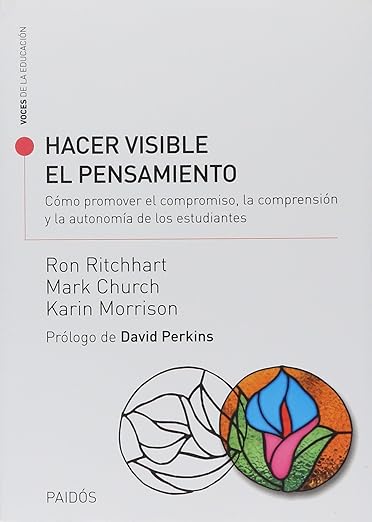 BookMaking Thinking Visible — Ritchhart, Church & Morrison
The foundational book with more than 30 routines and real classroom examples.
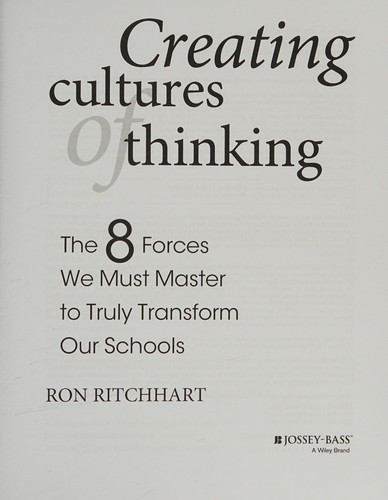 BookCreating Cultures of Thinking — Ron Ritchhart
How to create classrooms where thinking is valued, visible, and promoted. The 8 cultural forces that transform learning.
WebsiteProject Zero — Thinking Routines ToolboxAll of Harvard's thinking routines organized by purpose. Free.
 ToolI Used to Think / Now I Think
 ToolKWL Organizer
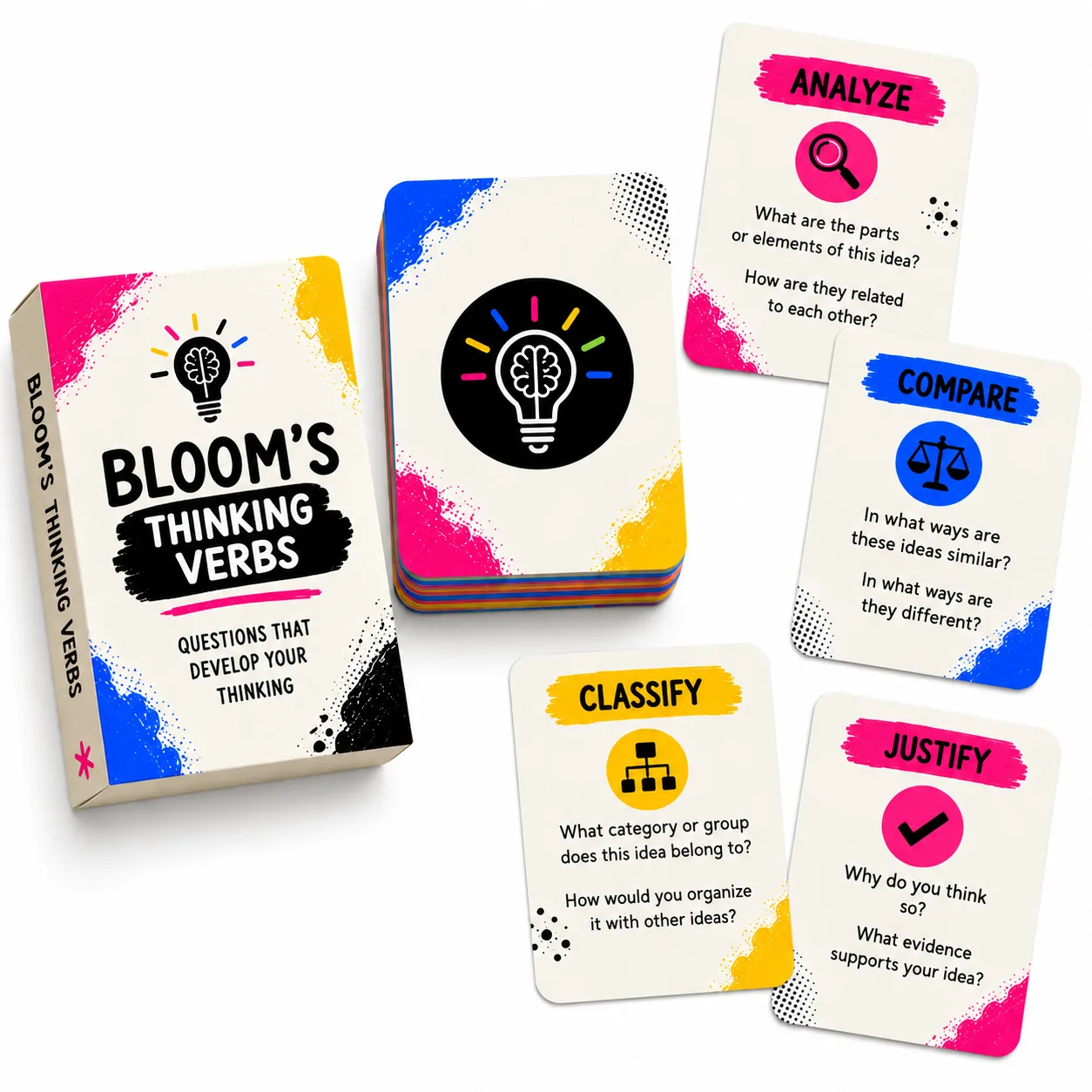 ToolBloom's Cards
 ToolExit Ticket