Creative Thinking
Generate original ideas, make unexpected connections, and propose novel solutions.
Creativity is intelligence having fun.
— Albert EinsteinMastery progression
Reproduces existing models. Has difficulty moving past the first idea. Waits for precise instructions before acting.
Generates some original ideas. Starts combining elements in non-obvious ways. Needs prompts to get started.
Produces original ideas fluently. Connects concepts from different fields. Tolerates the ambiguity of the creative process.
Generates innovative solutions independently. Questions the boundaries of the problem. Inspires creativity in others.
- Generate several ideas on a given topic using a prompt
- Modify an existing product with simple changes
- Express an idea visually or through basic narrative
- Combine ideas from different fields to create something new
- Sustain ambiguity without settling on the first solution
- Evaluate their own ideas using criteria of originality and viability
- Iterate on a prototype incorporating feedback
- Define an original problem that no one has posed before
- Design creative processes for other teams
- Produce systematic innovation in complex contexts
Questions that activate it
Tap a card to see the coaching guide
What would happen if there were no restrictions at all?
Tap to flipFrees students from self-imposed limitations. Ideal for brainstorming. You can return to reality afterwards, but first let them dream big.
Tap to returnHow would an artist solve this? And an engineer? And a 5-year-old?
Tap to flipForces perspective shifts. Each lens generates different ideas. Very powerful for breaking creative blocks.
Tap to returnWhat could you combine that has never been combined before?
Tap to flipActivates associative thinking. Creativity is often recombination. Ask for concrete examples: materials, ideas, techniques.
Tap to returnWhat is the craziest idea you can think of?
Tap to flipGives permission for the absurd. Radical ideas often hide seeds of innovation. They can be refined later.
Tap to returnWhat would you do differently if you started from scratch?
Tap to flipBreaks the bias of what's already been built. Helps see options that were hidden by early decisions.
Tap to returnWhat does this have in common with something completely different?
Tap to flipTrains analogical thinking. Connecting distant domains is one of the richest sources of creativity.
Tap to returnHow could you do this in a way that has never been done?
Tap to flipPushes for explicit originality. Works well when students tend to copy known models.
Tap to returnIf your idea were a prototype, what would you test first?
Tap to flipBrings the idea into the real world. Creating is not just imagining — it's doing. Connects ideation with action.
Tap to returnResearch shows that creativity is not a fixed talent: it can be trained. Students who practice divergent thinking improve their creative capacity by 40% in just a few weeks.
Scott, Leritz & Mumford, 2004 — Creativity Research JournalIdeas for developing it
- Generate 20 ideas in 5 minutes without filtering any — use the Idea Wall
- Use the SCAMPER technique to transform an existing idea — see Lateral Thinking
- Create an invention using 5 random objects from the classroom
- Build a solution to a problem using only cardboard and tape — see Maker Education
- Write a story that begins with the last sentence of another
- Rewrite a classic story by changing the era or setting
- Solve a problem without using the most obvious tool
- Design a product with a budget of $0
- Creative chain: each person adds an element to the previous idea — connects with Collaboration
- Collective remix: mix the best parts of several proposals — use the Priority Vote
- Draw the solution before explaining it in words
- Make a collage that represents an abstract concept
- Create a digital prototype of an app that solves an everyday problem — see Design Thinking
- Make a remix of existing content to communicate something new
- Find 3 alternative uses for a common object
- Propose an improvement to something you use every day
- Invent a new game by combining the rules of two existing games — see Game-Based Learning
- Create a character who solves problems in unconventional ways
Resources and tools
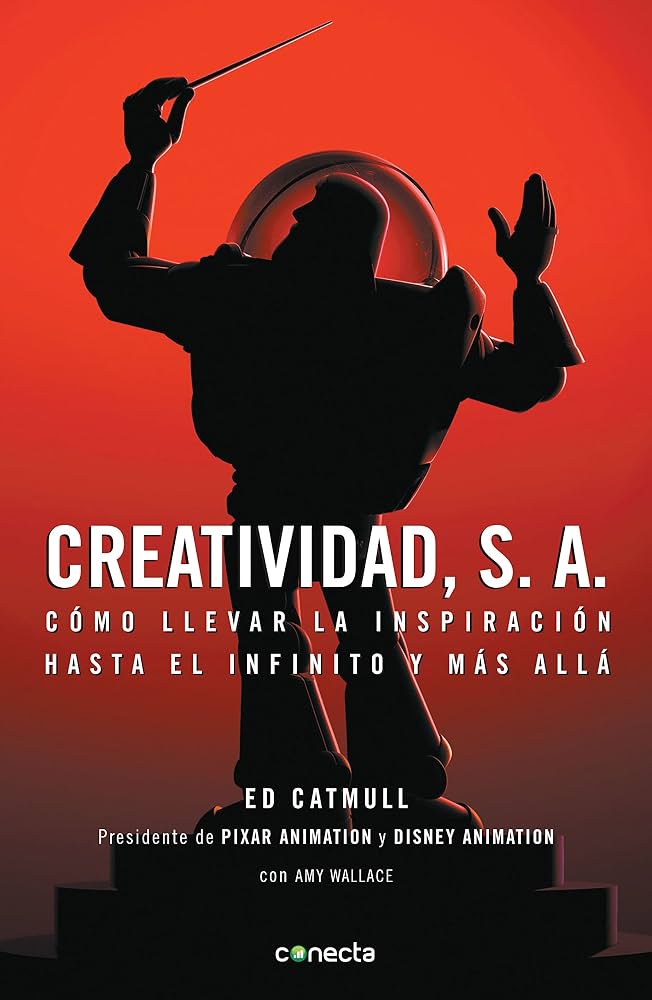 BookCreativity, Inc. — Ed Catmull
The co-founder of Pixar reveals how to build a creative culture. Applicable to the classroom as an ideas laboratory.
Creative Mission CardsESVideoDo Schools Kill Creativity? — Ken Robinson TEDThe most-watched TED talk in history. Robinson argues that school kills creativity and proposes alternatives.
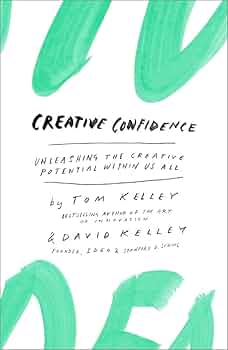 BookCreative Confidence — Tom & David Kelley
The founders of IDEO show that creativity is a practice, not a gift. Design thinking methodologies.
Question DiceWebsiteCreative Thinking Techniques — Interaction Design FoundationCollection of creative thinking techniques with detailed explanations and examples.
ES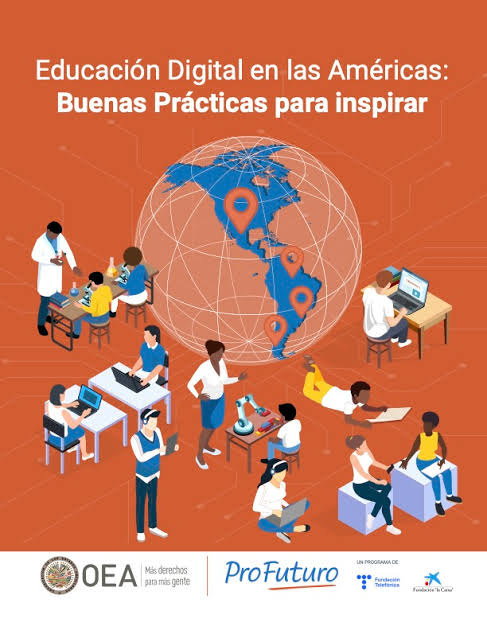 PDFDigital Education in the Americas: Inspiring Best Practices
A collection of innovative digital education experiences from Latin America showing how to transform classrooms with creativity and technology.
Collaborative Idea WallChoice BoardIcebreaker CardsWork Gallery