Guided Inquiry
The teacher guides the process of discovery through progressive questions rather than giving direct answers.
What is it?
Guided inquiry is an approach where the teacher does not deliver answers but instead designs sequences of questions and experiences that lead students to build understanding on their own. The discovery belongs to the student, but the path is carefully planned.
It differs from free inquiry in that there is clear scaffolding. The teacher knows where they want to go and designs the questions, materials, and stages so students get there through their own reasoning.
The model is based on the inquiry cycle: observe, question, investigate, build explanations, and reflect. It is not letting students do whatever they want — it is guiding them to think rigorously and systematically.
The goal of education is not to increase the amount of knowledge but to create possibilities for a child to invent and discover.
— Jean PiagetWhat does it look like in class?
In science, the teacher presents a surprising phenomenon and asks: What do you think is happening? How could we find out? Students propose hypotheses and design a simple experiment.
In history, instead of explaining the causes of an event, the teacher presents primary documents and asks: What do these sources tell us? Do they contradict each other? What information are we missing?
In math, the teacher proposes an open problem and students explore different solution strategies before the formal method is presented.
The teacher uses scaffolded questions: starts with What do you observe? moves to Why do you think that happens? and closes with How could you verify it?
Signs it works
- Students formulate their own questions and don't just answer the teacher's
- Genuine debates arise between students defending different hypotheses
- Students seek evidence before asserting something
- The teacher asks more questions than makes statements during class
- Students tolerate ambiguity and don't get frustrated when there is no immediate answer
Common mistakes
Asking questions but ending up giving the answer when students don't get there quickly
Confusing guided inquiry with 'leaving them alone' — without scaffolding there is no learning
Asking closed questions disguised as inquiry — if there is only one possible answer, it is not inquiry
Not planning questions in advance — the sequence of questions requires careful design
Key thinkers
Created the Guided Inquiry Design model with clear stages from exploration to presentation of findings.
Australian educator specializing in inquiry-based learning. Her inquiry cycle is used in schools around the world.
Cognitive psychologist who proposed discovery learning. His work laid the theoretical foundations for inquiry in education.
Dive deeper
 BookGuided Inquiry Design — Carol Kuhlthau
The complete guided inquiry framework with the 8 stages of the process.
WebsiteInquiry-Based Learning — EdutopiaCollection of articles and videos on inquiry in the classroom.
WebsiteKath Murdoch — Blog on InquiryKath Murdoch's blog with practical reflections on inquiry-based teaching.
 ToolKWL Organizer
 ToolQuestion Dice
 ToolVenn Diagram
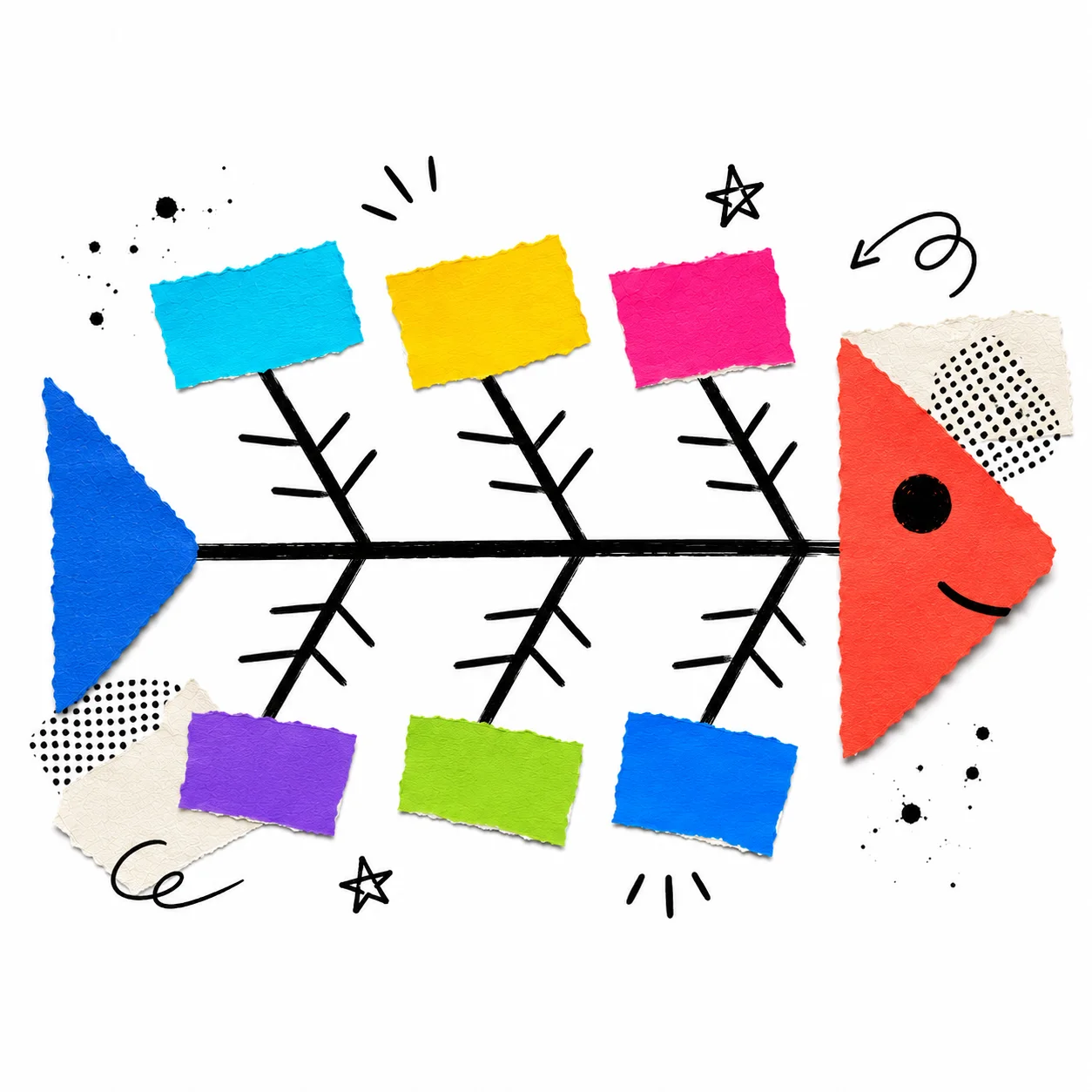 ToolCause and Effect